South-facing small pots are my favorite tiny canvases—sun-baked, bright, and perfect for Mediterranean perennials that thrive on neglect rather than fuss. Over the years I've tested dozens of plants in cramped terracotta and glazed containers on balconies and narrow sills, and I’ve learned which species actually reward you with long seasons of scent, foliage and flowers while using very little water. Below I share the best low-water Mediterranean perennials for small south-facing pots and exactly how I plant and care for them so they succeed in small spaces.
Why choose Mediterranean perennials for south-facing pots?
I love Mediterranean plants for hot, sunny exposures because they evolved to cope with intense sun, reflective heat and long dry spells. They tend to have:
- Small, tough leaves that reduce water loss
- Deep or resilient root systems that tolerate drought cycles
- Compact or slow growth suitable for limited container volume
- Long bloom periods or attractive foliage so the plant looks good even when not flowering
These traits make them ideal for south-facing pots where sunlight is abundant but soil dries quickly.
Top picks for small south-facing pots (fast reference)
Here’s a table with my go-to perennials that consistently do well in pots 20–30 cm (8–12 in) across. I include bloom time, typical height in containers and watering needs.
| Plant | Bloom | Height in pot | Water need |
|---|---|---|---|
| Lavandula angustifolia (English lavender) | Summer | 20–40 cm | Very low |
| Salvia officinalis (common sage) or S. x sylvestris | Late spring–summer | 25–40 cm | Low |
| Rosmarinus officinalis (rosemary) | Spring (and occasional) | 30–50 cm (can be kept compact) | Very low |
| Thymus spp. (thyme, e.g. Thymus serpyllum) | Summer | 5–15 cm (spreading) | Very low |
| Cistus (rockrose, dwarf types) | Late spring–early summer | 30–60 cm | Low |
| Artemisia (silver foliage) | Foliage interest | 20–50 cm | Very low |
| Phlomis fruticosa (Jerusalem sage) | Late spring–summer | 30–60 cm | Low |
Choosing the right pot and soil
Small pots dry quickly, which is good for Mediterranean species—but you still need a mix that drains exceptionally well. I recommend:
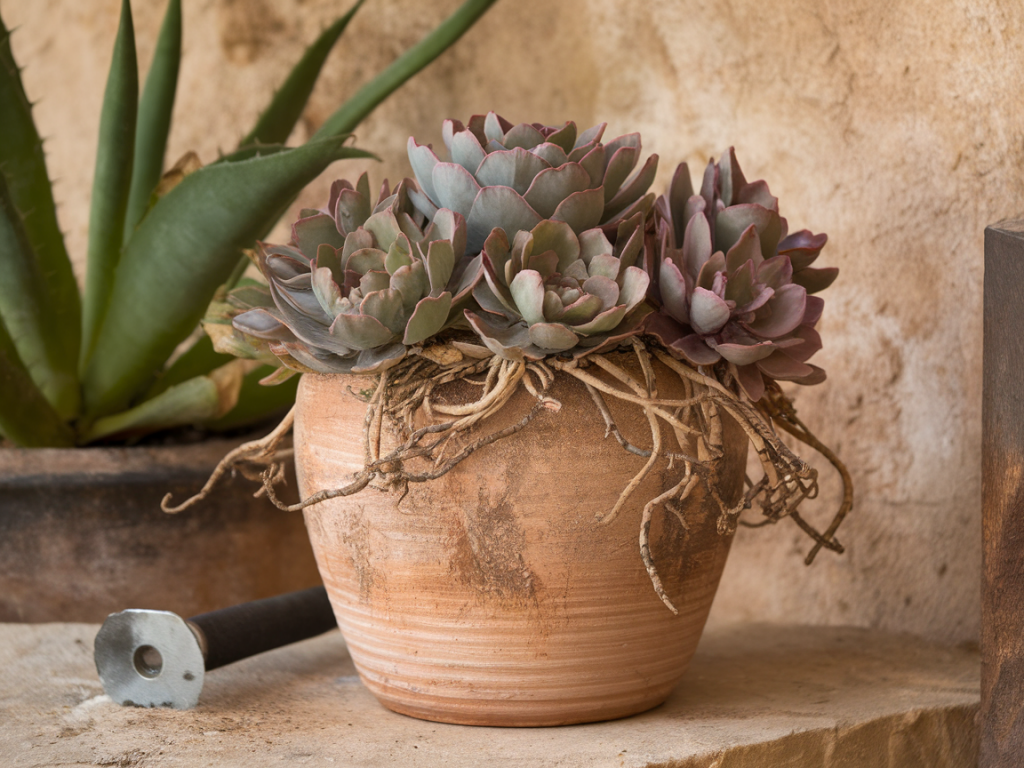
- Terracotta or unglazed ceramic pots when possible. They wick moisture and encourage roots to stay drier (I use a weathered terracotta for the best results).
- Pot size: 20–30 cm (8–12 in) diameter is ideal for single specimens like lavender, rosemary or sage. Thyme can be in shallower saucers.
- Drainage: ensure at least one good drainage hole and a couple of small drainage pebbles under the soil to keep water from sitting at the base.
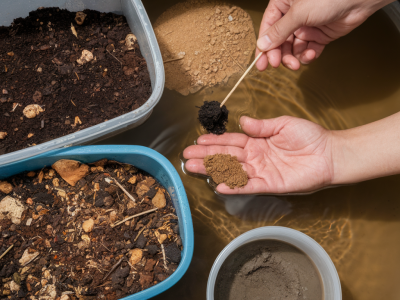
- Soil mix: 50% premium potting compost + 30% coarse horticultural sand or grit + 20% perlite or pumice. This creates a gritty, fast-draining mix that mimics Mediterranean soils.
Exactly how I plant them (step-by-step)
Here’s the routine I use when potting a new Mediterranean perennial:
- Line the pot with a thin layer of coarse grit or crocks—just enough so soil can’t block the hole.
- Fill the pot one-third with the pre-mixed gritty compost blend. Firm gently—don’t compact hard.
- Remove the plant from its nursery pot and tease the roots lightly. If roots are tightly wound, loosen them with your fingers or a clean knife to encourage outward growth.
- Place the plant at the same soil depth as it was in the original pot. Add soil around the root ball, leaving 1–2 cm (0.5–1 in) of space at the rim for watering.
- Water thoroughly once to settle the soil. After this initial soak, allow the top 2–3 cm to dry before watering again. Mediterranean perennials prefer it drier than you might expect.
- Top-dress with a thin layer of gravel or grit—this keeps soil from splashing, reduces evaporation, and looks authentic.
Watering and feeding—what really works
People overwater south-facing pots more than any other mistake. My simple rules:
- Water deeply but infrequently. When the pot is bone dry 2–3 cm down, water thoroughly until it runs from the drainage hole. Then wait. Frequent light sprinklings are worse than one good soak.
- Use a moisture meter if you’re unsure—cheap versions are helpful for beginners and avoid guesswork.
- Feeding: Mediterranean perennials are light feeders. I give a weak seaweed or liquid seaweed + fish emulsion fertiliser in spring (brands like Maxicrop or Neptune’s Pride are gentle). Avoid high nitrogen; it encourages soft growth that burns in the sun.
Pruning, winter care and summer tips
These maintenance steps keep plants compact, healthy and productive:
- Prune lightly after flowering: For lavender and rosemary, trim a third of the flowering stems to keep a neat mound—don’t cut into old wood. Sage and phlomis benefit from removing spent blooms to encourage a second flush.
- Protect from winter wet: In cold, wet winters I move pots to a sheltered spot or stand them on pot feet to improve drainage. If severe freezes are expected, group pots near a warm wall or bring them indoors to an unheated garage.
- Mulch with grit in summer to reflect heat and keep soil surface cool. I use coarse horticultural sand or light-coloured gravel.
Design combos and planting ideas for small pots
I often plant single-species pots for a clean architectural look, but mixing is possible if you choose companions with the same needs. Simple combos I use:
- Lavender + Thyme (short, aromatic and textural)
- Rosemary (trailing variety) + Sedum (a succulent contrast)
- Cistus + Armeria (sea thrift) for a more floral, Mediterranean cottage vibe
For extra scent, place pots near seating or doorways—south-facing balconies that get evening sun are perfect.
Common problems and quick fixes
Here are a few issues I encounter and how I solve them:
- Leggy growth: Often from overwatering or too-rich soil. Repot into grittier mix and reduce watering.
- Root rot: Remove the plant, trim rotten roots, replant in fresh coarse mix and improve drainage. If severe, replace the plant.
- Pests: Mediterranean perennials are fairly pest-resistant. Look for aphids or spider mites in extreme heat; blast with water or use insecticidal soap (e.g., Safer Brand).
If you want, I can tailor a planting list for your exact pot size and climate—tell me your USDA/Hardiness zone or local climate description, the pot dimensions, and whether you prefer fragrance, flowers or sculptural foliage. I’ll suggest combinations that fit your space and taste.