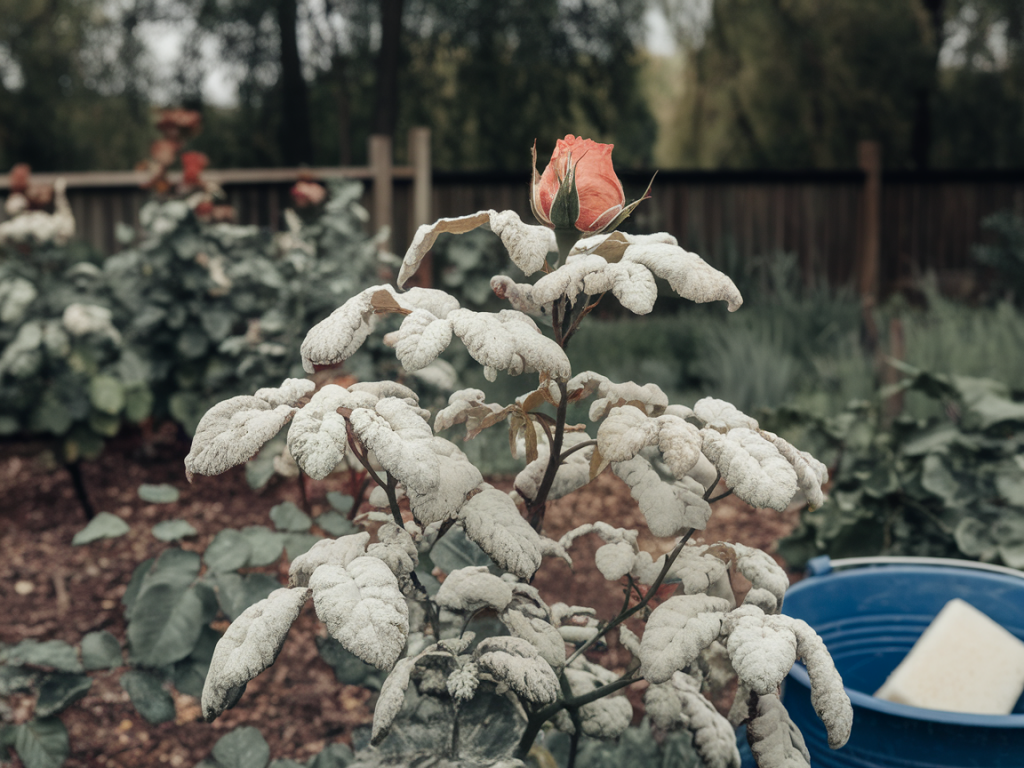
I remember the first time I saw powdery mildew on my roses: a dusty white film on the upper leaves that made the whole bush look tired overnight. I didn’t want to reach for a chemical fungicide, so I experimented with gentler methods—baking soda sprays, pruning for airflow, and small cultural changes that made a big difference. Over several seasons I learned what really helps and what’s just a temporary fix. Below I share the practical, non-chemical routine I use to stop powdery mildew on roses and keep plants resilient through the humid months.
What powdery mildew is—and why it’s fixable without fungicides
Powdery mildew is a fungal disease that shows up as a white powdery coating on leaves, stems and even buds. It thrives in warm, dry air with high humidity at night and poor air circulation. Unlike some aggressive diseases, powdery mildew rarely kills a healthy rose—it's mostly a cosmetic and vigor issue. That means cultural controls and low-toxicity sprays can be very effective if you act early and consistently.
My baking soda spray recipe and how to use it
Baking soda (sodium bicarbonate) changes the surface pH on leaves, making conditions less favourable for powdery mildew spores. I combine it with a mild oil to help the solution stick to leaves and to provide a little extra fungal suppression. Here’s the mix I use:
| Baking soda spray | |
| 1 gallon (3.8 L) water | |
| 1 tablespoon baking soda | |
| 1–2 teaspoons horticultural oil or light vegetable oil (e.g., mineral oil, neem oil at low rate) | |
| 1 teaspoon mild liquid soap (non-detergent like castile soap) |
I mix the baking soda in a small amount of warm water until dissolved, then add to the rest of the water with the oil and soap. The soap acts as a surfactant so the spray wets the leaves well. I use a garden sprayer (hand pump or battery sprayer) and apply thoroughly to the upper and lower leaf surfaces and new growth.
Timing and frequency
Timing matters. I spray in the early morning so leaves dry quickly during the day—this reduces the risk of burning or stressing the plant. I avoid spraying in the heat of the day or when temperatures are below 10°C (50°F). For prevention, I spray once every 7–14 days during the high-risk season. If I spot active mildew, I spray every 4–7 days until it’s under control, then reduce to preventive applications.
Airflow and pruning tricks that make the biggest difference
In my experience, improving air circulation around the plant is the single most effective non-chemical strategy. Powdery mildew loves stagnant pockets of humid air.
- Prune the center of the shrub to open up the canopy—remove crossing, crowded stems and any weak, spindly shoots.
- Thin out the lowest branches so air can move underneath; this also helps leaves dry faster after rain or watering.
- Space new plantings at least 60–90 cm (2–3 ft) apart for modern hybrids; older roses often need wider spacing.
- Train climbing roses higher on a trellis so the foliage is not packed against fences or walls.
Sanitation: the small chores that pay off
I’m religious about removing heavily infected leaves and blossoms. When I see dense mildew growth I carefully snip off the worst material and dispose of it in the trash (not the compost heap). This reduces the immediate spore load. I also rake and discard fallen leaves—powdery mildew can overwinter on debris.
Watering and site choices
Powdery mildew is not caused by wet leaves (that’s more downy mildew or black spot), but watering practices still help. I water at the base of the plant in the morning so foliage stays dry. Drip irrigation or soaker hoses are ideal. If you must use overhead watering, do it early so the sun can dry the leaves quickly.
Soil health and nutrition
Healthy roses resist diseases better. I regularly add compost in spring and use slow-release balanced fertilizers. Avoid overfeeding with high nitrogen in mid-summer—that creates soft, susceptible growth that mildew favors. If you use a product like Espoma Rose-tone or a balanced granular fertilizer, apply according to label directions and spread out feedings rather than a large late-summer dose.
Companion planting and mulching
I mulch with well-aged compost or bark to keep soil moisture consistent and reduce splash-up that can spread other diseases. I also plant pollinator-friendly herbs and flowers nearby—lavender, thyme and catmint are both attractive and can promote airflow and biodiversity that discourage disease pressure.
When to use other gentle fungicides
If mildew persists despite cultural changes and baking soda sprays, I sometimes rotate in neem oil or a horticultural oil labeled for roses; these are low-toxicity and can suppress spores. Products like Bonide Neem Oil or Monterey Horticultural Oil work well at label rates. I avoid sulfur-based sprays in hot weather because they can scorch roses, and I save stronger fungicides for severe outbreaks that threaten plant survival.
Monitoring and record-keeping
Each season I note which varieties in my garden are more susceptible and which are tolerant. This helps with planning future plantings. If one rose always shows mildew, I either move it to a sunnier location or replace it with a more resistant variety. Modern roses and many shrub roses have much better resistance than older hybrids.
Common mistakes to avoid
- Waiting too long—mild cases are easy to control, heavy infections are much harder.
- Spraying at midday or in scorching heat—this can damage leaves.
- Relying only on one method—combining sprays, pruning, spacing and watering practices is what really works.
Stopping powdery mildew on roses without fungicides is more about consistent care than a single miracle spray. Baking soda sprays, improved airflow, good hygiene and mindful watering have kept my roses healthy and flowering year after year. If you want, tell me about your rose variety and garden conditions and I’ll suggest a tailored routine for your patch.