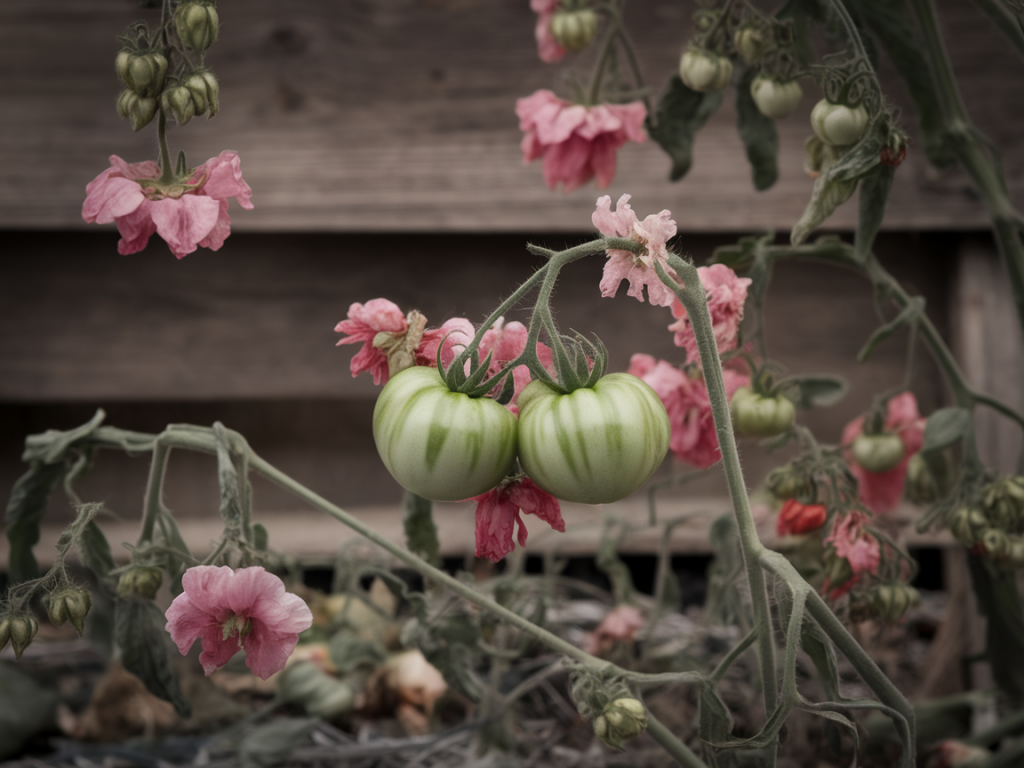
I planted a second round of tomatoes last month and watched, heart in my throat, as healthy-looking plants produced clusters of perfect yellow flowers that then shriveled and fell away. If that’s happening in your garden, you’re not alone — blossom drop (when flowers fall before setting fruit) is one of the most common frustrations for tomato growers. I’ve seen it in tiny balcony pots and in large raised beds, and over the years I’ve learned which problems are quick fixes you can do in a week and which ones need a longer strategy.
What actually causes tomato flowers to drop?
Tomato plants are picky about the conditions required to pollinate and set fruit. Flowers fall for a few main reasons, and often several of them act together: stress from temperature extremes, inconsistent watering, poor pollination, nutrient imbalance (especially too much nitrogen), transplant shock, or pest and disease stress. Understanding the cause is the first step to fixing it quickly.
How temperature affects blossom set
Tomato pollen becomes non-viable at high or very low temperatures. The general rule I use in my garden is that the best fruit set happens when daytime temperatures are between 70–85°F (21–29°C) and nighttime temperatures are between 55–70°F (13–21°C). If your nights stay above ~75°F (24°C) or your days climb above ~95°F (35°C), you’ll often see flower drop.
What I do when a heat wave hits: I put up a 30–50% shade cloth in the afternoon for several days, especially for container plants which heat up faster. That simple step cools the canopy and often saves the next set of flowers.
Humidity and pollination
Tomatoes are mainly self-pollinating — their flowers contain both male and female parts — but they still rely on pollen movement. High humidity can make pollen sticky and unable to move; very low humidity can dry it out. Aim for moderate humidity (around 40–70%).
If you suspect poor pollination, try hand-pollination: with a small paintbrush or an electric toothbrush gently vibrate the flower clusters in the morning for a week. I do this when I don’t see bees or when plants are grown in a calm, sheltered spot. I’ve had great success with hand-pollination after a heat spell or on very still days.
Watering stress and soil moisture
Inconsistent watering is a huge cause of flower drop. When soil bounces between dry and waterlogged, the plant gets stressed and aborts flowers. Maintain a steady soil moisture — moist but not soggy. For me that often means deep watering twice a week for in-ground plants and more frequent top-ups for pots.
Quick actions to take this week:
- Check soil moisture with a finger or moisture meter to 2–3" (5–8 cm). If it’s dry, water slowly until it drains out the bottom.
- Add a 2–3" (5–8 cm) layer of organic mulch (straw, shredded bark) to keep soil moisture steady and moderate soil temperature.
Nutrient balance — not too much nitrogen
Too much nitrogen encourages leafy growth at the expense of flowers and fruit. If your plants are lush and green but dropping flowers, suspect a fertilizer imbalance. I avoid high-nitrogen feeds once my plants start flowering. Instead I switch to a bloom-boosting fertilizer higher in phosphorus and potassium.
Products I recommend (if you want a brand): Espoma Tomato-tone or Jobe’s Organics Tomato & Vegetable are gentle, organic options. For a fast-acting boost, Jack’s Classic Blossom Booster (5-15-10) can help set fruit during key windows — use carefully and follow the label.
Transplant shock, root problems and crowding
Newly planted tomatoes often drop flowers as they redirect energy to root establishment. If you’ve recently transplanted, be patient: that flower drop can be normal. If the plant otherwise looks healthy, shelter it from extremes and avoid heavy pruning for a couple of weeks.
Also check root health — pots can become rootbound and garden soil can compact. If roots are circling the pot or water runs off quickly, repot into a larger container or gently tease circling roots before planting in the ground.
Pests and disease stress
Sometimes flower drop is a symptom of insect pressure (aphids, whiteflies, thrips) or early disease. Inspect the undersides of leaves and the flower clusters for small pests. Use insecticidal soap, neem oil, or apply beneficial insects like lacewings for biological control. Remove and dispose of badly infected foliage to reduce stress on the plant.
Practical steps you can do this week — a short checklist
- Morning pollination: Try brushing or vibrating flower clusters for 5–10 minutes each morning for five days.
- Shade during heat: Drape 30–50% shade cloth over the plants during the hottest hours for a few days.
- Stabilize watering: Deep-water once or twice a week for in-ground plants; containers may need every-other-day in heat. Use mulch.
- Balance nutrients: Stop high-nitrogen feeds. Apply a low-nitrogen, phosphorus-rich feed once this week if needed.
- Check for pests: Look under leaves and around flowers. Treat early with soap or neem oil if you find pests.
- Improve airflow: Remove some inner foliage and separate crowded plants to help pollen move and reduce humidity inside the canopy.
Quick reference table: causes and immediate fixes
| Cause | Immediate fix (this week) |
|---|---|
| High daytime/nighttime temperatures | Use shade cloth, water in morning, move containers to a cooler spot |
| Poor pollination | Hand-pollinate with brush/electric toothbrush, encourage bees with flowers |
| Inconsistent watering | Deep, consistent watering schedule + mulch |
| Excess nitrogen | Stop high-N fertilizer, switch to bloom formula |
| Pest pressure | Inspect, remove pests, treat with insecticidal soap or neem |
Varieties and timing
Some tomato varieties are more heat-tolerant than others. If you live somewhere with hot summers, choose varieties labeled “heat-tolerant” or “heat set” (for example, ‘Heatmaster’, ‘Solar Fire’, or ‘Phoenix’). For cooler climates, choose early-setting varieties that set fruit at lower temperatures. If you’re replanting next season, pick varieties adapted to your local climate.
When to be patient
Not all flower drop needs dramatic intervention. After a short heat spell or right after transplanting, plants often recover and set fruit once conditions normalize. I usually give a plant a week or two after making the quick fixes above before changing anything bigger (like switching varieties or tearing plants out).
If you try the quick fixes and still see heavy flower drop after two weeks, look deeper: test soil pH (ideal for tomatoes is 6.2–6.8), check for root restriction, and consider a targeted nutrient analysis. Those steps are usually worth it if you want steady yields over the season.
Ready to try this in your garden? Start with the simplest actions — shading during heat, steady watering, and a few minutes of hand-pollination each morning — and you’ll often see the next wave of blossoms turn into small green tomatoes within a week or two. If you want, tell me what variety you’re growing and what your recent weather has been like, and I’ll help you pinpoint the most likely cause.