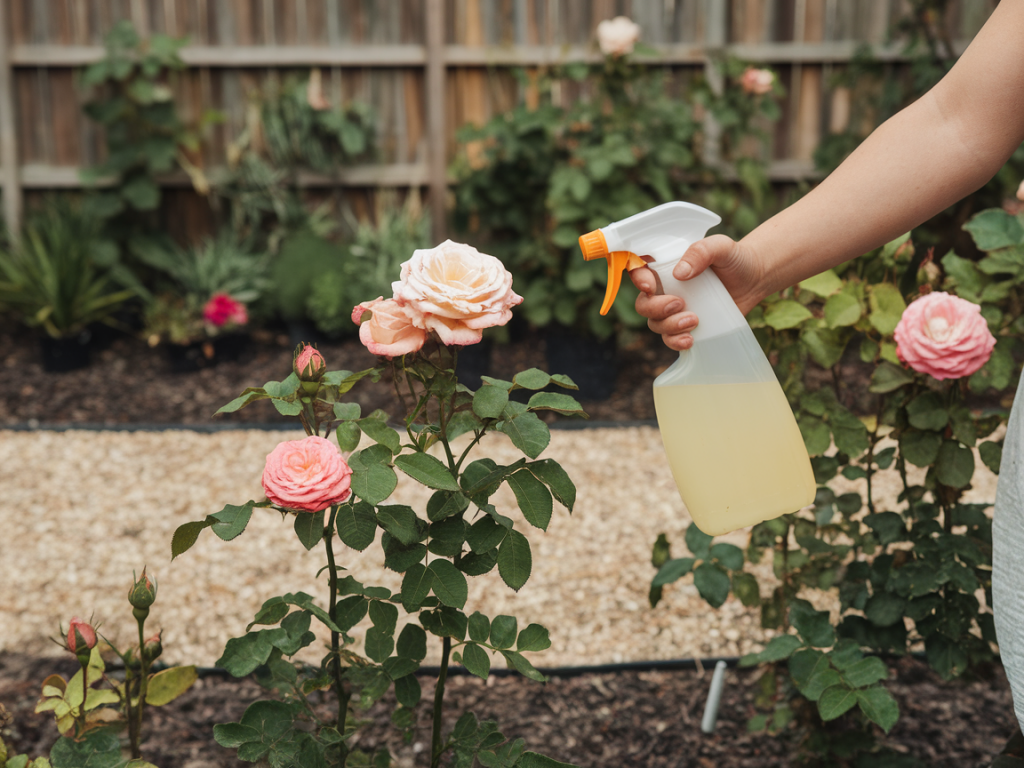
I hate seeing my roses coated in tiny, sap-sucking aphids. Over the years I’ve tried commercial sprays, sticky traps and staggered plantings, but my favourite approach is a set of simple, natural homemade sprays that actually work — when used correctly. Below I share the recipes I use in my garden, how and when I apply them, safety tips, and a few troubleshooting notes so you won't accidentally stress your plants more than the pests do.
Why make your own spray?
Commercial insecticides can be effective, but they often kill beneficial insects, leave residues on blooms and can be overkill for a small aphid problem. Homemade sprays give me control over ingredients, are gentle on pollinators when used responsibly, and are cheap to make. They’re not a silver bullet — aphid management usually needs a combination of tactics — but these sprays are excellent at knocking down populations quickly so I can let predators like ladybirds and lacewings finish the job.
How to use homemade sprays safely
Before I list recipes, here are the basic rules I follow every time:
Recipe 1 — Soap and water (my go-to for light infestations)
This is the simplest, cheapest and least risky option. A mild dish soap breaks down the aphids’ protective outer layer and suffocates them.
| Ingredients | Amount |
| Liquid dish soap (unscented or mild) | 1–2 teaspoons |
| Water (lukewarm) | 1 litre / 1 quart |
Mix soap into water gently to avoid froth. Spray directly onto aphid colonies — underside of leaves and new shoots. Repeat every 3 days for two weeks. I prefer biodegradable castile soaps (like Dr. Bronner’s) or simple dish soaps (a small amount of Dawn or Fairy works). Avoid concentrated laundry detergents or soaps with degreasers — they can burn plants.
Recipe 2 — Neem oil spray (preventative + curative)
Neem oil is a plant-derived insecticide that interferes with insect feeding and reproduction. I use it both to knock back aphids and as a preventive when roses put on strong new growth.
| Ingredients | Amount |
| Cold-pressed neem oil | 1 tablespoon |
| Liquid soap (emulsifier) | 1 teaspoon |
| Water | 1 litre / 1 quart |
Whisk soap into water, then add neem oil and shake well in a spray bottle. Spray thoroughly over foliage, paying special attention to the undersides of leaves and new buds. Apply every 7–10 days. Do not use neem in full sun or in temperatures above 27–30°C (80–86°F) — I always spray in the cool hours.
Recipe 3 — Garlic and chili hot spray (strong knockdown)
If a colony is out of control, I reach for this spicy mixture. It’s more aggressive and can repel other insects, so I use it sparingly.
| Ingredients | Amount |
| Garlic cloves (crushed) | 4–6 cloves |
| Hot chili powder or fresh chilies | 1 teaspoon or 2 fresh |
| Liquid soap | 1 teaspoon |
| Water | 1 litre / 1 quart |
Crush garlic and steep in boiling water for 15–20 minutes. Strain, add chili and soap, then top up with water. Test first and avoid spraying flowers. Because of the scent, I save this for evening applications and not during peak pollinator activity.
Recipe 4 — Onion and soap spray (gentle but effective)
Onions contain sulfur compounds that act against soft-bodied insects like aphids. This spray has fewer fumes than garlic-chili but is still effective.
Recipe 5 — Homemade pyrethrum-style spray (use with caution)
Pyrethrum, from chrysanthemum flowers, is a natural insecticide. You can make a crude version at home, but take care: it also affects beneficial insects.
When sprays won’t be enough
Even the best sprays won’t fix everything. Aphids reproduce fast and hide in curled leaves or among buds. If sprays reduce numbers but don’t eliminate them, add these tactics:
Troubleshooting and common questions
Will these sprays harm bees? If used in the evening and kept off open flowers, these sprays are much less likely to affect bees. Neem and soaps are less harmful than broad-spectrum insecticides, but timing and restraint matter.
How often should I spray? For soap and neem, every 5–7 days until control. For garlic/chili if infestation is severe, every 3–5 days for a short series. Always re-evaluate: if beneficial insects arrive, reduce or stop treatments.
My leaves look shiny and sticky — is that the spray? That’s probably honeydew from aphids. After control, I wash leaves with water to remove residue so that beneficial insects can reach the plant and so fungal problems don’t take hold.
Are there roses or varieties that tolerate aphids better? Some old rose varieties and native species roses attract fewer aphids because of tougher growth or stronger scent compounds. But cultural care matters more: balanced feeding, good airflow and regular checks make the biggest difference.
Quick reference recipe table
| Recipe | Main use | Repeat |
| Soap & Water | Light infestations, safe | Every 3–7 days |
| Neem Oil | Preventative & curative | Every 7–10 days |
| Garlic/Chili | Strong knockdown | Every 3–5 days (short run) |
| Onion Spray | Gentle control | Every 5–7 days |
| Chrysanthemum extract | Strong, use sparingly | Sporadic, evening use |
When I find aphids on my roses now I rarely reach for harsh chemicals — a few targeted sprays, some encouragement of beneficial insects and a quick prune usually gets things back in balance. If you’d like, I can make a printable leaflet with the spray ratios and timing to tuck into your gardening binder.