I used to worry that composting kitchen scraps meant inviting a parade of rodents and flies into my garden. After a few messy experiments (and one bold raccoon raid), I’ve developed routines that let me turn food waste into rich soil fast — without the pests. Below I share the methods I actually use, troubleshooting tips, and equipment suggestions so you can compost quickly and cleanly, whether you have a balcony, small yard, or larger garden.
Why pests show up — and how to stop them before they begin
Rats, mice and flies are attracted to exposed, smelly food and easy access. The two essential controls are remove the smell and remove access. That means managing moisture and oxygen, using secure containers, and balancing green (nitrogen-rich) and brown (carbon-rich) materials so decomposition is fast and not anaerobic.
In practice that looks like: a sealed indoor collection for scraps, frequent transfer to a secure compost system, and maintaining heat and dryness levels that favor rapid breakdown. Once you get these habits in place, pests rarely bother you.
Fast, low-risk methods I use (and when I choose each)
Here are the fastest, most reliable approaches I’ve tested. I pick a method based on space, time, and the types of scraps I have.
Hot composting: how I get fast heat without rodent problems
Hot composting is my go-to for fast results. The secret is maintaining a pile with the right ratio and good airflow:
For pest control:
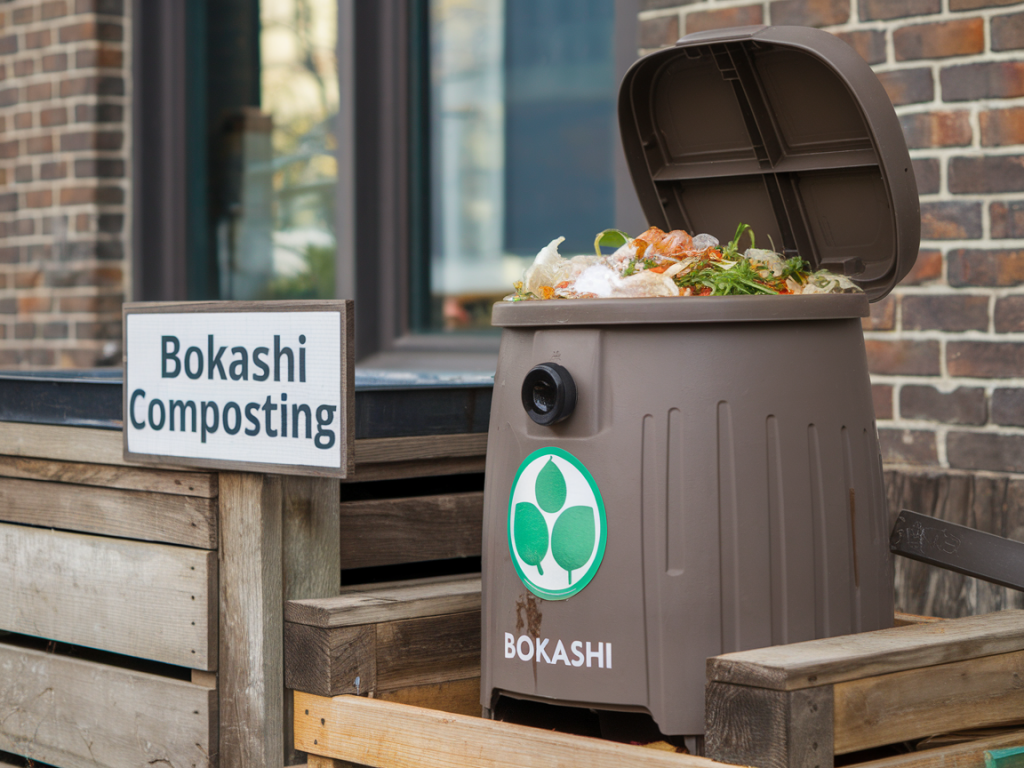
Bokashi: ferment fast indoors, finish fast outside
I love bokashi when I have limited outdoor space. It ferments everything — including meat, dairy and citrus — in 2 weeks and doesn’t smell if you follow the simple rules:
Bokashi is virtually pest-free because the pickling process suppresses rotting odors.
Vermicomposting: worm-friendly tips to avoid flies
Worm bins are tidy but attract fruit flies if the conditions aren’t right. My checklist:
Trench composting: pest-proof and shockingly simple
When I’m short on time, I dig trenches around garden beds and bury the scraps directly. This method is great after harvests or when you want to enrich a specific planting area quickly. Depth of 20–30 cm (8–12 in) keeps critters away and speeds breakdown because soil organisms get to work immediately.
Quick troubleshooting — common problems and fixes
| Problem | Likely cause | Fix |
| Strong rotten smell | Too wet or too much green | Add dry browns, turn to aerate, check drainage |
| Fruit flies | Exposed fruit scrap surface | Cover scraps with brown layer or use indoor sealed jar, reduce fresh fruit additions |
| Rodents | Easy access, food left in bin | Switch to sealed metal/plastic bin, bury scraps, secure lid |
| Slow decomposition | Too dry or not enough nitrogen | Moisten and add fresh greens or a handful of lawn clippings |
My favorite gear and products
Having the right tools made my life easier. Here’s what I recommend:
Practical routine I follow every week
To keep a fast, pest-free compost system, I follow this simple habit loop:
With this rhythm, my compost is ready fast and stays clean. If you’d like, I can share a printable weekly checklist or a short video showing how I layer a hot pile — just tell me what format you prefer.