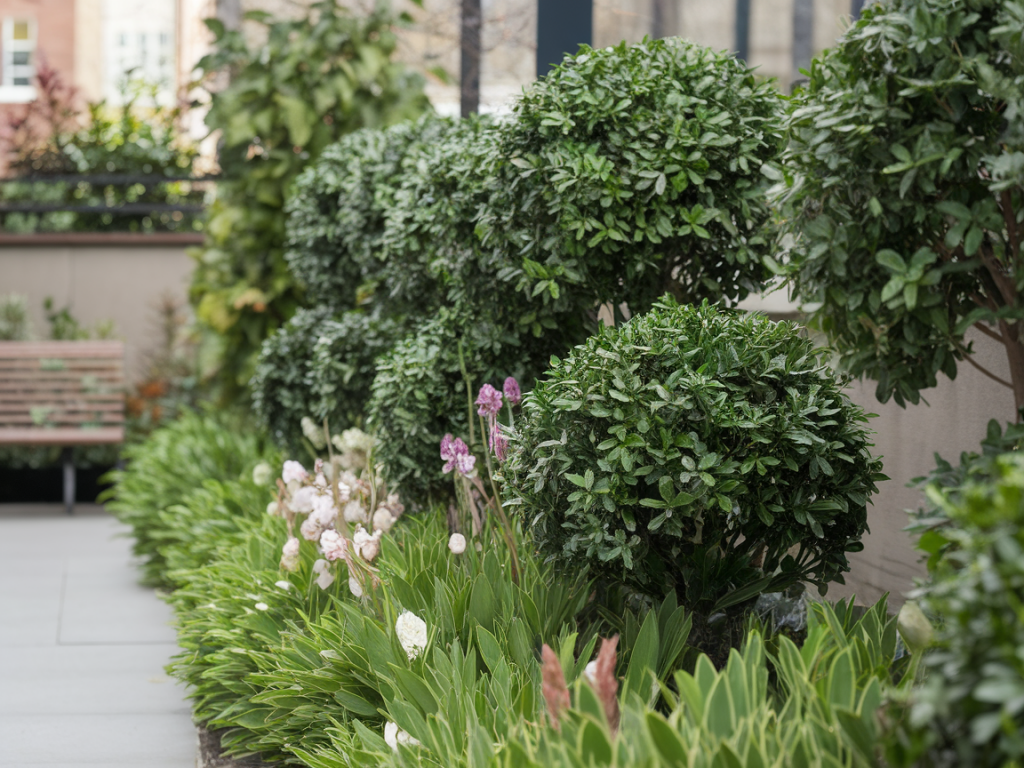
I often get asked by readers with small urban plots: “How can I get reliable, year‑round privacy without endless pruning or toxic sprays?” Over the years I’ve learned that the smartest answer is to choose low‑maintenance native hedges. They’re adapted to local soils and climate, support pollinators, resist many pests, and—when chosen with scale in mind—give consistent screening without taking over a tiny yard.
Why I favour native hedges for small urban gardens
When I plant a hedge, I imagine how it will behave in five and ten years. Native shrubs already know the local rhythm: hard winters, dry summers, summer storms. That means fewer failures and less time spent nursing plants back to health. I also love that natives usually flower and fruit at times that feed insects and birds, so you get privacy and wildlife activity at the same time.
For a small urban garden, the priorities are simple: keep height and spread appropriate, choose evergreen or semi‑evergreen species for winter screening, and prefer plants that require one or two light trims a year rather than weekly shaping. Below I give several regional options so you can pick species that suit your climate.
How to choose the right native hedge for your plot
Match the species to your hardiness zone and soil (sandy, clay, loam). If you’re unsure, a quick soil test from your local extension or a kit from brands like Rapitest helps.Decide target height and spacing. For a 1.5–2 m screen pick shrubs that naturally reach that height or can be trimmed to it. Overcrowding leads to chronic pruning and disease pressure.Think about foliage seasonality. If year‑round opacity is essential, prefer evergreen or dense semi‑evergreen options. If seasonal interest is wanted, mixed hedges (evergreen + flowering native) give structure plus blooms.Plan for maintenance. Even “low‑maintenance” needs watering the first 2–3 years, a layer of mulch, and an annual prune or light shearing.Low‑maintenance native hedge options I recommend
Below I list species grouped by region. I choose plants that offer density, minimal pruning, wildlife value and tolerance of urban conditions.
Temperate North America (Eastern/central)
Inkberry Holly (Ilex glabra) — Evergreen, 1.5–3 m. Slow to moderate grower with glossy foliage, great for wet soils, minimal pruning, supports winter bird use.Bayberry (Morella pensylvanica) — Semi‑evergreen/shrubby, 1–2.5 m. Fragrant foliage, salt‑tolerant for coastal sites, supports pollinators. Prune lightly after flowering.Smooth sumac (Rhus glabra) — Deciduous but dense; 2–4 m. Fast establishment and tolerant of poor soils—good for a wider screen if you don’t need winter privacy.Temperate West Coast (North America)
Oregon grape (Mahonia aquifolium) — Semi‑evergreen, 1–2 m. Spring flowers and evergreen structure; tolerates shade and coastal conditions.Western red cedar (Thuja plicata) — If you want a coniferous tall hedge and have room for 3–5 m, but plant with consideration—can become tall quickly.UK / Northwestern Europe
Native Laurel (Prunus lusitanica) — Often used as a low‑maintenance evergreen hedge (1–3 m). A strong, glossy hedge that takes light trimming well.Common box (Buxus sempervirens) — Traditional evergreen; smaller gardens suit clipped box standards or yew alternatives to reduce box blight risks. Consider Buxus replacement varieties like Pittosporum tobira for similar form but lower disease susceptibility.Native hawthorn (Crataegus monogyna) — Good for wildlife and quick dense growth; usually requires less formal shaping.Australia (temperate regions)
Correa (Correa spp.) — Dense, low‑to‑medium evergreen shrubs with tubular flowers; great for coastal and urban gardens, low water when established.Leptospermum (Tea tree) — Many species make dense hedges, tolerant of poor soils and coastal winds; prune after flowering.Planting and early care—what I actually do
I always start with good soil preparation—dig a generous planting hole, loosen compacted subsoil and add well‑rotted compost. For urban soils that can be poor or contaminated, I mix a certified compost (I often use local municipal compost or a trusted brand like Westland or Espoma depending on region) with the native soil to improve structure without overwhelming the plant with high nutrient levels.
Place plants at correct spacing—usually 60–90 cm apart for a dense small hedge; larger shrubs need 1.5–2 m.Mulch 5–10 cm with coarse bark or leaf mulch to suppress weeds and retain moisture, leaving 5 cm clear around stems to avoid rot.Stake only if necessary—many natives establish strong roots if watered well in the first season.Pruning, fertiliser and water routine
Low maintenance doesn’t mean no maintenance. My routine:
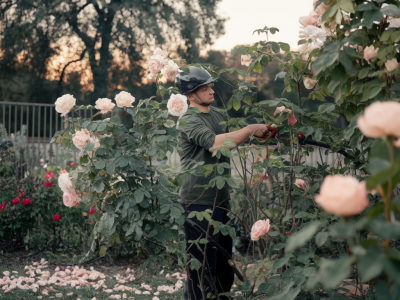
First two years: regular watering (deep soak once a week in dry spells) and watch for signs of stress. After establishment, most natives survive on rainfall.Light trim once a year to maintain shape—avoid hard shearing more than twice a year as this stresses the plant and reduces flowering and fruiting.No high‑nitrogen fertiliser unless growth is poor. I use a slow‑release, low‑N organic fertiliser in spring (a product like Osmocote or an organic compost top‑dress works well).Maintenance calendar (simple)
| Month | Task |
| March–April | Light pruning after birds finish nesting where possible; top up mulch; check for winter damage |
| May–August | Water during dry spells; monitor pests; enjoy flowers and pollinators |
| September–October | Tidy fallen leaves (use them as mulch/compost); reduce watering as rains return |
| November–February | Minimal work—check for wind damage and protect young plants from frost if necessary |
Troubleshooting common issues
Shade, compacted roots and overwatering are the top three killers in small urban plots.
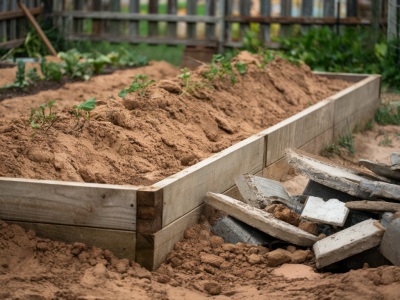
If lower branches die back, check light levels—some hedges need at least part sun and will thin if planted in heavy shade.Root rot is common where drainage is poor—consider raised beds or mounding the hedge line slightly to improve drainage.Pests are usually minor on natives, but scale or aphids can appear. I prefer mechanical removal or insecticidal soap over broad‑spectrum sprays to protect beneficial insects.Design tips: make a small hedge feel bigger
Use a mixed native hedge: alternate evergreen and flowering shrubs for density and interest. For example, alternate inkberry with bayberry and a spring‑flowering native viburnum.Layer heights: place lower evergreen shrubs in front and slightly taller native trees behind for depth.Combine with vertical elements like a slim trellis planted with a native climbing rose or honeysuckle to increase privacy without taking much ground space.Planting a native hedge in a small urban garden is one of my favourite transformations. It creates an instant sense of enclosure, supports local wildlife and—when done thoughtfully—gives you privacy without a high workload. If you tell me your region and desired height, I can suggest a specific planting plan and spacing that will fit your plot.