I work a lot with small urban yards and stubborn clay soils, so I’ve spent years testing cheap, low-tech fixes that actually help compacted clay loosen up and stay workable. Clay can feel impossible: it puddles, it’s heavy to dig, and roots struggle in it. But you don’t need fancy amendments or a backhoe to start improving it. Below I share the practical, affordable amendments that I use and recommend—how each one works, when to use it, and simple application methods you can do in a weekend.
Why compacted clay needs more than a single quick fix
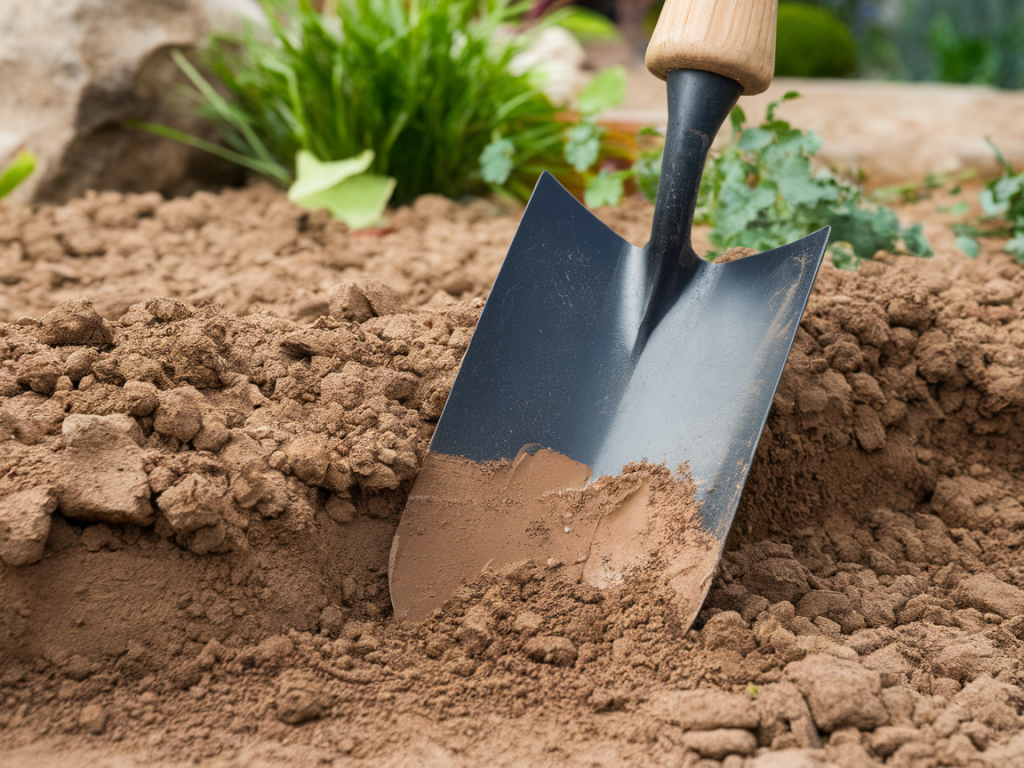
Clay becomes compacted when fine particles pack tightly, reducing pore space for air and water. That’s why plants drown or dry out quickly at the surface while roots can hardly move. The goal isn’t to replace the clay but to increase structure, drainage and biological activity so the soil behaves more like a loam over time. That means using amendments that add organic matter, create stable aggregates, or encourage worms and roots to naturally open the soil.
Cheap amendments that actually work (and how they help)
Below are the inexpensive materials I reach for. I list how they work and realistic application tips.
Why it works: Compost adds organic matter, feeds microbes and helps clay particles form crumbs rather than hard clods.
How to apply: Spread 2–3 inches of mature compost over the soil surface and fork it in to a depth of 4–6 inches if possible. For larger beds, topdress with 1–2 inches and let worms work it in over months. Repeat each year—compost is the single most effective long-term fix.
Why it works: Leaves break down into very light, sponge-like humus that improves aeration and moisture buffering.
How to apply: Use 2–3 inches as a top layer or mix into the top 3–4 inches. In fall, leave shredded leaves as mulch and they will soften the clay by spring.
Why it works: Gypsum can help flocculate (clump) clay particles in sodic or very heavy clays and improve water infiltration without altering pH significantly.
How to apply: Broadcast gypsum over compacted areas and water it in well. Results are slower and depend on your soil chemistry—gypsum helps more if you have sodium problems or very dense, fine-textured clay.
Why it works: Coarse, angular sand can open up structure if mixed thoroughly with clay and organic matter. Fine sand or mason’s sand will make a concrete-like mess when mixed with clay.
How to apply: Only use coarse angular sand. Mix at least 1 part sand to 3 parts existing soil by volume and add generous organic matter (compost or leaf mold). Don’t simply sprinkle sand on top—without mixing it can make conditions worse.
Why it works: Biochar improves soil structure, increases pore space, and boosts microbial populations when charged with compost or liquid feed.
How to apply: Mix 5–10% biochar by volume into the planting zone or blend with compost before topdressing. It’s lightweight so a little goes a long way.
Why it works: When used as a surface mulch and allowed to break down, wood chips build a rich, fluffy top layer that encourages worms and roots to penetrate the compacted clay beneath.
How to apply: Lay a 2–4 inch mulch on top. For beds you’ll plant into, use chips as a season-long mulch and renew yearly.
Why it works: Deep-rooted cover crops break compaction, add organic matter, and feed soil life when they’re cut and left on the surface.
How to apply: Sow in fall or early spring as appropriate. Allow roots to penetrate deeply, then chop and leave residue as a mulch or lightly incorporate before planting.
Why it works: Castings are small-volume but high-impact—rich in nutrients, microbes, and structure-improving organic matter.
How to apply: Use as a topdressing when planting new beds or mix into potting pockets; combine with compost for best value.
Quick comparison table
| Amendment | Main benefit | Cost/availability | Best use |
|---|---|---|---|
| Compost | Adds stable organic matter, feeds microbes | Low (make your own) | Topdress annually, mix into top 4–6 in |
| Leaf mold | Light humus, improves aeration | Very low (free if you have trees) | Topdress or mix into planting zone |
| Gypsum | Helps flocculate clay, improves infiltration | Low–medium | Broadcast then water in; best if sodium present |
| Coarse sand | Improves drainage if mixed well | Low–medium | Thoroughly mix with soil + organic matter |
| Biochar | Increases pore space and microbial habitat | Medium (small amounts needed) | Mix with compost, add 5–10% by volume |
| Cover crops | Physical root penetration, organic matter | Low | Sow between seasons or fallow periods |
Practical step-by-step: small bed or border
Here’s the routine I use when improving a small bed (1–10 m²):
For lawns and larger areas
For compacted lawns I prefer mechanical aeration + topdressing:
Common mistakes to avoid
Last practical tips I use every season
I always keep a supply of compost and shredded leaves. I rotate cover crops on fallow beds and use broadforks for deeper loosening rather than heavy machinery that flips soil layers. When I need a quick improvement in a raised bed, I’ll mix compost and biochar into the fill—plants respond quickly to the improved structure.
If you want, tell me about your specific bed size, how wet it is after rain, and what you’d like to grow—I can suggest a tailored, budget-friendly plan with exact amounts and timing for your project.