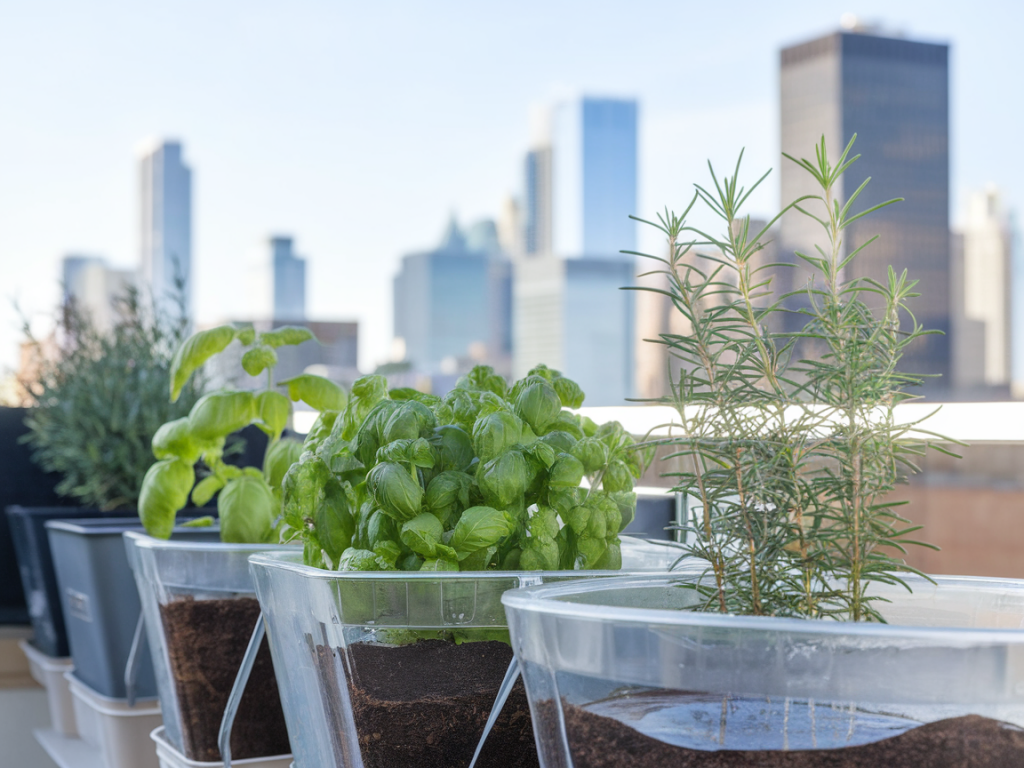
Keeping herbs alive on a sunny (or sometimes scorching) balcony while you’re away for a long weekend or two weeks can feel like mission impossible. Over the years I’ve tested dozens of cheap and mid-range self-watering solutions—store-bought reservoir planters, DIY wick systems, ollas, even recycled bottle tricks—and I want to tell you plainly which ones actually work for two weeks without topping up, and what to do so your basil, parsley and chives come back happy, not crispy.
What “self-watering” really needs to do for two weeks
First, let’s be clear about expectations. When I say “keep herbs alive for two weeks,” I mean:
The plants remain healthy enough to harvest (no severe wilting or dead stems).They don’t suffer root rot from standing in water.The system can be left unattended for 10–14 days in typical summer conditions (20–30°C / 68–86°F), or slightly longer in mild weather.To achieve this, a self-watering solution must provide steady moisture to the root zone without waterlogging and should have a reservoir large enough to hold the water your herbs will use. It also helps if the system reduces evaporation from the soil surface.
Best inexpensive options that actually work
Here are the reliable solutions I reach for, ranked by simplicity and cost. I’ve included practical tips so you get better results than just buying something and hoping for the best.
DIY reservoir planter (bucket + wicking rope) — Cheap and surprisingly effective. Use a 5–10L bucket or plastic storage tub. Cut a net pot or use a pot with drainage holes that sits above the bottom of the bucket, thread thick cotton or polyester wicking rope from the soil into the reservoir. Fill the reservoir and check the wicks before leaving. This often supplies 10–14 days for small herb pots.Ollas (unglazed clay pots) — An age-old method: bury an unglazed cylindrical olla in the soil and fill it with water. The clay slowly releases moisture to surrounding roots. Ollas are low-tech, very water-efficient and great for balcony containers if you can fit one near the roots. One olla can sometimes last more than two weeks depending on size and heat.Sub-irrigation planters / Self-watering pots (budget brands like Bloem, Lechuza look-alikes) — Many mass-market self-watering pots use a reservoir and wicking platform. The inexpensive ones (Bloem’s VegTrug-style or generic plastic reservoir pots) can last 10–14 days if you use a light, airy potting mix and avoid over-potting.Plastic bottles or watering spikes (DIY) — Upside-down bottles with small holes or commercially sold watering spikes (Capillary tubes) can work for 7–10 days. For two weeks, use larger bottles (2L+) and bury the tip near the rootball. Not foolproof in full sun.Capillary mat + trays — If you have several small pots on a balcony, placing them onto a capillary mat fed by a reservoir tray can keep herbs moist for two weeks. It takes a little setup but is low-cost and scalable.Which one I choose for a two-week trip
For a typical balcony with a mix of basil, parsley, thyme and chives, I prefer a combination: a shallow self-watering trough (budget reservoir planter) lined with a capillary mat plus one or two ollas tucked into larger pots. Why? The trough supplies steady moisture to multiple pots, the capillary mat evens out supply, and the ollas provide targeted slow release to thirsty rootballs. Together they get me reliably through 14 days in summer without topping up.
Practical setup and soil tips that make any system last longer
Some self-watering systems fail not because they’re poorly designed, but because of poor potting or plant choices. Here’s what I always do:
Use the right potting mix: Combine a good commercial potting compost with 10–20% perlite or grit for aeration. Too heavy a mix stays soggy; too light dries out too fast.Pre-water and saturate the wicks: Before you leave, thoroughly water the soil from above until it drains through and ensure wicks are fully wet so capillary action starts quickly.Reduce top surface evaporation: Add a thin mulch of small gravel, coarse sand or a light layer of shredded bark. It keeps the surface cooler and reduces water loss.Place pots in partial shade if possible: Full midday sun will increase water use; if you can move pots to a slightly cooler spot, the reservoir lasts longer.Trim back large leafy herbs: A small haircut before you leave reduces transpiration and helps the plant cope for two weeks.Don’t over-pot: Avoid huge pots with small rootballs—the excess soil holds more water than the roots can access reliably from a tiny reservoir below.Comparison table: quick pros and cons
| Method | Estimated cost | Refill interval (typical summer) | Pros | Cons |
| DIY bucket + wick | €5–15 | 10–14 days | Cheap, easy to scale, reliable if wicks are thick | Needs correct wick and setup; plastic aesthetics |
| Olla | €10–30 | 2+ weeks (varies) | Very water-efficient, low maintenance | Hard to place in small pots, can wick soil nutrients |
| Budget self-watering pots | €10–40 | 10–14 days | User-friendly, neat | Quality varies; check reservoir volume |
| Bottle spikes | €0–10 | 7–12 days | Very cheap, easy DIY | Less reliable in heat, needs large bottle |
| Capillary mat + tray | €10–25 | 10–14 days | Good for many small pots, even watering | Need space and flat surface |
Common mistakes that sabotage a two-week setup
I’ve made these mistakes—and so have many readers—so I’ll list them so you don’t repeat them.
Leaving plants in poor soil. Even the best reservoir can’t save plants out of compacted, low-nutrient compost.Using wicks that are too thin or synthetic rope that beads. Natural cotton or a bundle of polyester wicking works better than a single thin string.Overfilling reservoirs so soil sits waterlogged. The aim is moist, not saturated.Placing pots in the hottest spot on the balcony during heatwaves. A little shade saves a lot of water.Brands and products I recommend
If you prefer buying ready-made, look for planters with clear reservoir windows and a fill-level indicator. I’ve had good, consistent results with mid-range sub-irrigation pots from brands like Lechuza (more expensive but high quality) and the budget lines from Bloem and Gardener’s Pride for smaller budgets. For ollas, local pottery or Amazon/etsy sellers often offer decent options—choose an unglazed, thick-walled olla to slow evaporation.
Quick checklist before you leave
Top up reservoirs and check fill indicators.Trim large leaves and harvest excess growth.Move pots to partial shade if possible.Ensure wicks are saturated and seated correctly.Test the setup for 2–3 days before a longer trip to be sure moisture is reaching roots.Give any of these combinations a test run for a weekend before relying on them for two weeks. Once you’ve dialed in the right potting mix, reservoir size and placement for your microclimate, you’ll be able to travel with confidence—and come back to aromatic basil and tender parsley instead of brown skeletons.