I love the way a shrub-heavy border sings in spring—clouds of lilac, lemony bursts of forsythia, and the soft flaring of azaleas. Over the years I’ve learned that timing the pruning of spring-flowering shrubs correctly is one of the easiest ways to make those displays even better next year. Prune too late and you risk cutting off the flower buds for next spring; prune at the right moment and you encourage healthy growth and more abundant blooms.
Why timing matters
Most spring-flowering shrubs bloom on old wood—that is, flower buds form on stems that grew the previous season. If you prune them in late summer, autumn or early spring before they’ve flowered, you’ll remove those buds and lose next spring’s display. Conversely, pruning immediately after flowering gives the plant a full growing season to produce new shoots that will set buds for the following year.
General rule I follow
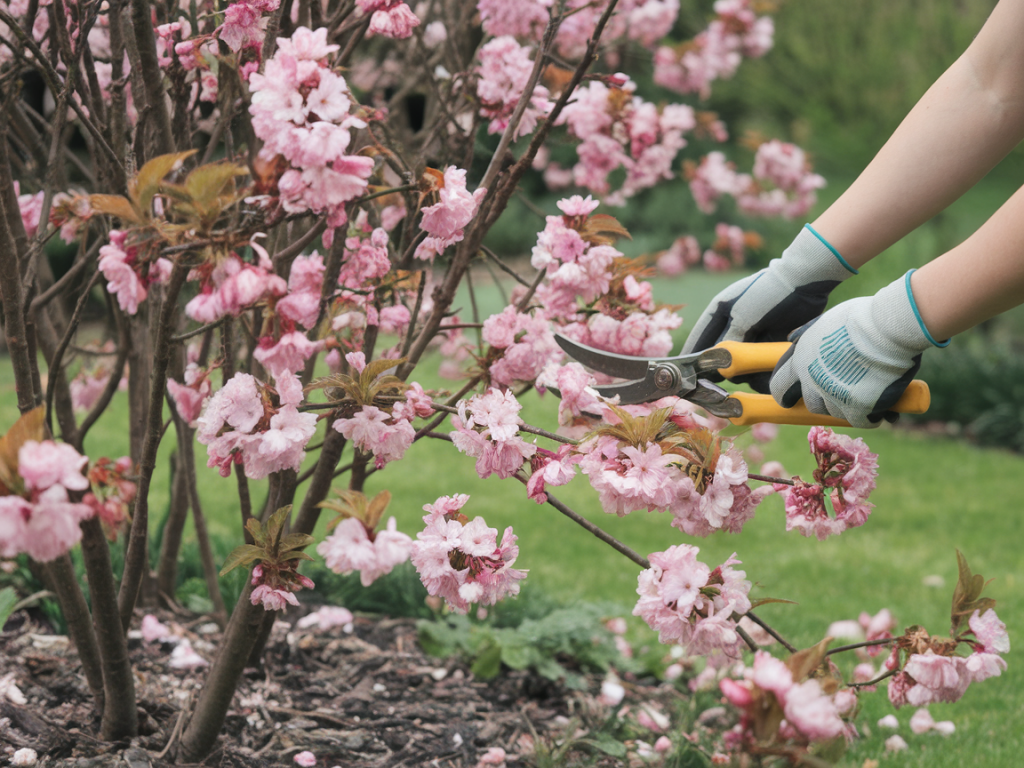
My simple rule is: prune spring-flowering shrubs right after they finish blooming. For many of the common varieties that means late spring to early summer. I mark my calendar or set a phone reminder for each shrub type so I don’t miss the window. Waiting a few weeks after the last flowers fall is fine; waiting until late summer is not.
When to prune — month-by-month cheat sheet
Timing varies with climate and species, but here’s the guideline I use in a temperate climate (adjust earlier in warm climates and later in cold ones):
- Late April to early June: Lilac (Syringa), forsythia, azalea, rhododendron (after flowering)
- May to June: Weigela, mock orange (Philadelphus), viburnum (most spring types)
- Late spring to early summer: Spirea (spring-flowering varieties), early hydrangeas like Hydrangea macrophylla
| Shrub | When to prune | Flowering wood |
|---|---|---|
| Lilac (Syringa) | Immediately after flowering (late spring) | Old wood |
| Forsythia | After flowering (late spring) | Old wood |
| Weigela | After flowering (late spring/early summer) | Old wood |
| Azalea & Rhododendron | Right after bloom | Old wood |
| Hydrangea macrophylla | Soon after flowering (early summer) | Old wood |
How I decide what to cut
Pruning isn’t just about timing — it’s also about what to remove. I follow a few simple priorities:
- Dead or damaged wood first: I cut these back to healthy tissue regardless of the time of year.
- Old stems and overcrowded growth: For shrubs that thicken over time (lilac, forsythia), I remove a few of the oldest stems at ground level each year to open the center and encourage new shoots.
- Flowering shoots last year: I avoid cutting the shorter, flowering spurs that produced this year’s blooms.
- Maintain shape with care: Instead of severe shearing, I use selective thinning to keep a natural silhouette and better light penetration.
Step-by-step: pruning after flowering
Here’s the routine I use when the blooms fade:
- Wait until the majority of flowers have dropped. If a shrub has a long flowering period, wait until the main flush has finished.
- Remove dead, diseased or crossing branches first. Cut back to healthy wood or to the base.
- Thin out 20–30% of the oldest stems at the base for multi-stemmed shrubs. This rejuvenates without shocking the plant.
- Shorten long, leggy shoots by cutting to a pair of healthy buds or a lateral branch. For climbers like clematis montana (also spring-flowering), follow species-specific rules.
- Avoid shearing into the old wood—many spring bloomers will not resprout flowering shoots from hard-cut areas.
Rejuvenation pruning — when a shrub needs a reset
Sometimes shrubs get too big, sparse, or leggy. Rather than cutting everything back in one go, I prefer a staged approach over 2–3 years for heavy rejuvenation:
- Year 1: Remove up to one-third of the oldest stems at ground level.
- Year 2: Repeat, removing another third if necessary.
- Year 3: Finish the process; the shrub should now have a healthy mix of new and older stems.
This spreads the loss of flowers over a couple of seasons and keeps the shrub healthy.
Tools, technique and aftercare
Good tools make the job pleasant and reduce damage. I use a sharp pair of bypass pruners (I like Felco pruners for durability or Fiskars for a lighter option) and a small pruning saw for thick stems. I wipe blades with alcohol between plants if I’m moving from one shrub to another and clean dirt off at the end of the day.
After pruning I usually:
- Brush off or rake away dead flowers and debris to reduce disease carryover.
- Apply a 5–8 cm layer of compost or well-rotted manure to feed the root zone and help new shoots develop.
- Mulch to conserve moisture and suppress weeds.
Common questions I hear
Q: I pruned my lilac in autumn—will it still bloom?
A: Likely not as well. Autumn pruning removes the buds that form for next spring. You can still enjoy foliage and structure, but expect fewer or no flowers the next season.
Q: My rhododendron looks leggy—can I cut it back hard?
A: Be cautious. Rhododendrons do not respond well to very hard cutting into old wood. If the plant is overgrown, consider selective thinning, or partial rejuvenation by cutting a few old branches to the base each year.
Q: When should I prune hydrangea macrophylla?
A: Right after flowering. These set buds on old wood. Pruning in late winter will remove the flower buds for that season.
Final practical tips I always follow
- Mark pruning windows on my garden calendar—timing is everything.
- Prune gradually for big, aged shrubs rather than all at once.
- Keep a pruning kit (pruners, saw, rubbing alcohol, gloves) handy in the garden shed for quick work immediately after bloom.
- Observe: if a shrub flowers weakly despite correct timing, check soil, moisture, and light—pruning won’t fix poor site conditions.
Pruning spring-flowering shrubs at the right moment is one of those small seasonal tasks that pays back with generous blooms and healthier plants. It’s practical, quick to learn, and once you’ve done it a couple of times you’ll start to anticipate the rhythm of each shrub in your garden. If you’re unsure about a particular species in your border, tell me what you have and I’ll help you tune the timing.