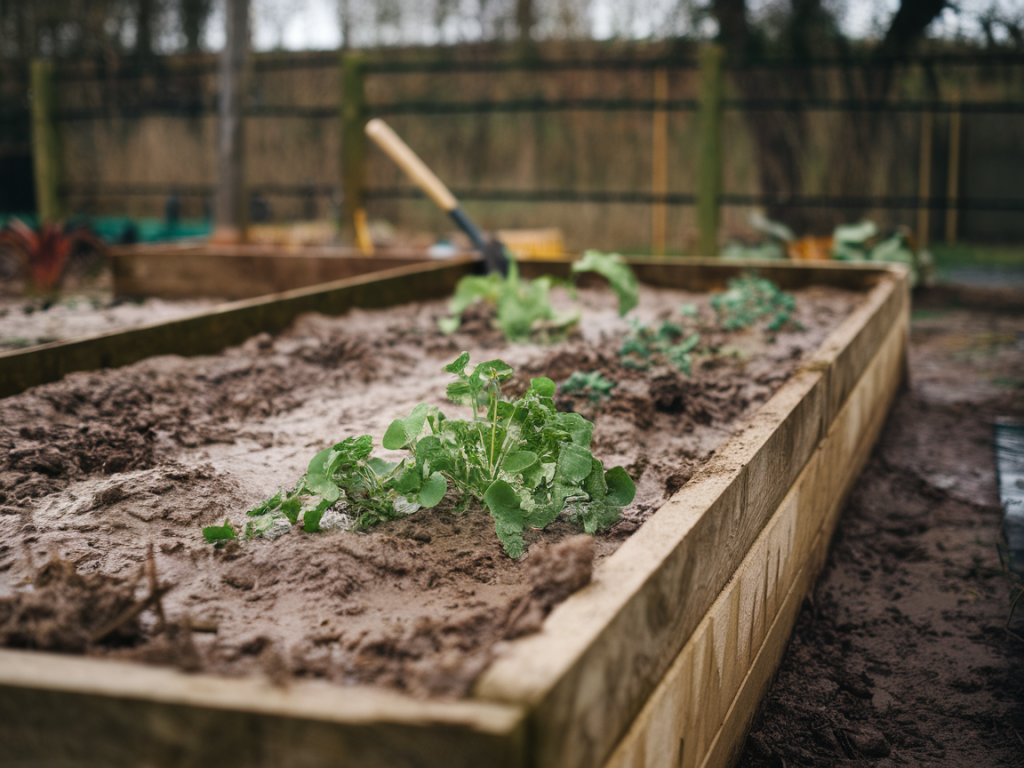
I often get questions about raised beds that stay waterlogged — soggy, smelly soil that seems to suffocate roots and zap plant vigour. I’ve had my share of beds that looked promising after a big planting project, only to turn into a sponge after the first heavy rain. Over the years I’ve learned practical, low-dig ways to rescue those beds so they drain better and plants breathe again, without the backbreaking chore of emptying the bed and starting over.
Why raised beds get soggy (even when they’re raised)
It sounds obvious, but elevated doesn’t always mean well drained. Common causes I see are compacted soil from heavy watering or foot traffic, a dense blend of poor-quality topsoil or compost that holds too much water, a blocked drainage outlet, or an underlying layer of fine material (like subsoil or clay) that prevents water movement. Sometimes the culprit is too much organic matter without structure — peat and fine compost can retain water like a sponge. And a hidden problem is that new beds with fresh compost sometimes settle and compact over the first season, cutting off the tiny air spaces roots need.
Assess the problem before doing anything drastic
Before reaching for a shovel or buying more soil, spend a few minutes diagnosing the bed.
These observations will guide which low-dig fixes will help most.
Quick fixes you can do without digging everything out
Here are practical steps I use on my beds. Work from least invasive to more involved so you avoid unnecessary effort.
When to use reservoir or passive drainage layers
For very heavy soils, add a passive drainage layer along the bottom without full excavation. I’ve used the following method successfully in several beds:
This creates a hidden reservoir where excess water can gather away from roots and then slowly drain off — a good compromise to full replacement.
Plant choices and rearranging to help drying
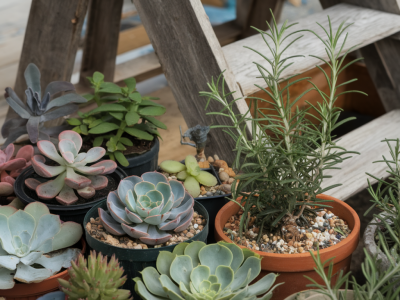
While you’re fixing drainage, move the plants that hate wet feet: tomatoes, lavender, rosemary and many mediterranean herbs will suffer in soggy soil. Swap them temporarily with moisture-tolerant species such as astilbe, ligularia, native irises or sedges which will tolerate a season of wetter conditions.
Useful products and tools I recommend
| Broadfork | To relieve compaction without turning the bed — Fiskars or Spear & Jackson make good models. |
| Perforated PVC | Cheap and effective for vertical drainage wicks; drill holes every 5–7 cm. |
| Horticultural grit / washed sand | Improves porosity; available at garden centres or landscapers. |
| Coarse compost / leaf mould | Use mature, fibrous materials rather than fresh, fine compost. |
How to maintain improved drainage
Once a bed drains better, keep it that way with these habits I use every season:
Quick troubleshooting guide
| Symptom | Likely cause | Quick fix |
| Standing water >48 hours | Blocked outlet or very fine subsoil | Add drainage wicks, create outlet, lean soil away from bed edge |
| Plants wilting after rain | Root oxygen deficit | Surface aeration, add grit, move sensitive plants |
| Bed smells sour | Anaerobic conditions | Fork surface, add coarse organic matter, reduce watering |
Fixing soggy raised beds doesn’t always require a complete tear-out. With a few strategic, low-dig interventions — surface aeration, drainage wicks, better-structured topdressing and thoughtful plant choices — you can restore healthy soil structure and get plants thriving again. If you want, tell me about your bed (dimensions, soil type, what you’re growing) and I’ll suggest the best next steps for your situation.