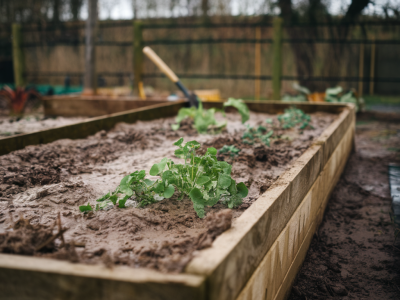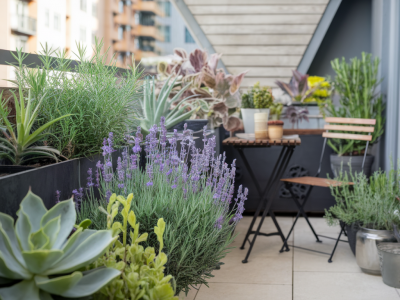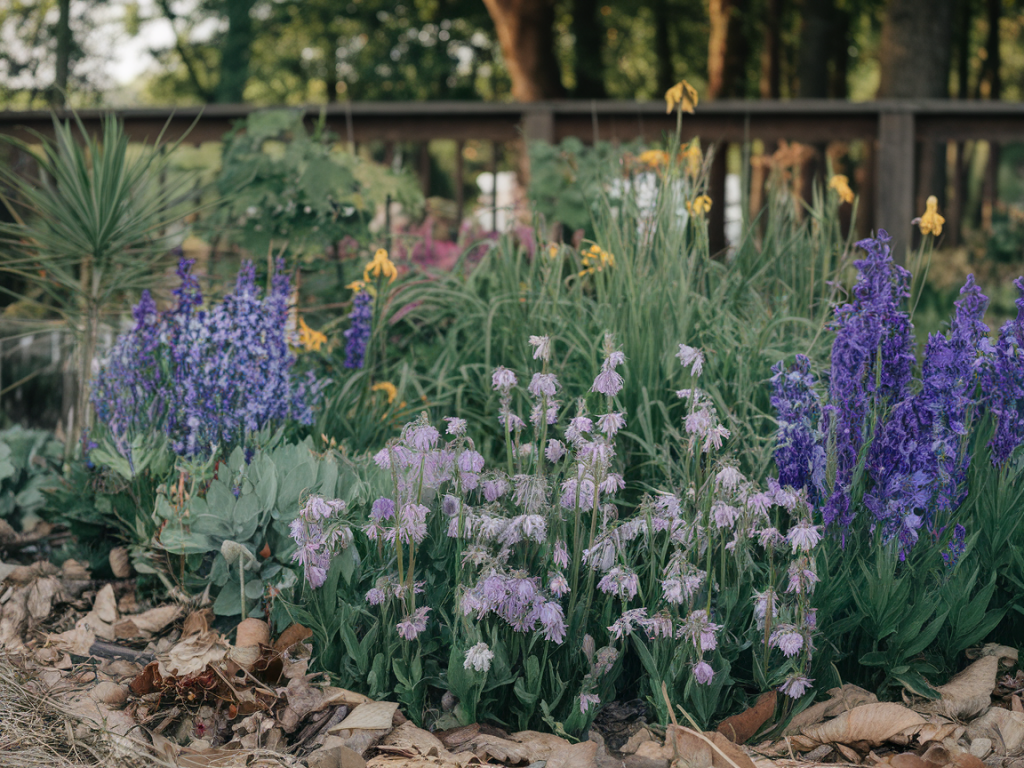
I love creating small, buzzing pockets of life in corners of the garden that weren’t doing much before — and a pollinator corner is one of my favorite weekend projects. With a tight budget, a little planning and a focus on native perennials, you can turn an overlooked patch into a refuge for bees, butterflies and beneficial insects that also looks beautiful season after season. Here’s how I approach it, step by step, from site selection to planting and low-cost maintenance.
Why choose native perennials?
Native plants are the backbone of a successful pollinator corner. They’re adapted to local soils and climate, need less water and care once established, and provide the right nectar, pollen and foliage for native pollinators. Perennials come back year after year, which is ideal when you’re on a budget — plant once and enjoy for several seasons.
Picking the right spot
First, watch the patch you want to convert for a few days. How much sun does it get? Is it windy? Does water pool there after rain? Many pollinator-friendly natives prefer full sun to light shade and well-drained soil, but there are excellent options for shadier or wetter spots too.
I often choose a corner that’s visible from a window or a seating area so I can enjoy the activity. Visibility also helps people appreciate the little ecosystem you’ve created — a great motivator for neighbours and kids.
Design with function and budget in mind
On a tight budget, simplicity is your friend. I recommend grouping plants in blocks (drifts) rather than scattering single specimens. Drifts look more natural, are cheaper to plant, and make it easier for pollinators to find resources.
Keep the palette to three to five species that bloom at different times so you offer nectar throughout the growing season. Include a mix of flower shapes (tubular, open daisies, clustered) to attract a variety of pollinators.
Materials and low-cost sourcing
Here are items I usually gather. Many can be sourced cheaply or repurposed:
I buy some plants from reputable nurseries that label true natives (look for local native plant societies or nurseries that specialize in native flora). For seeds, I’ve had good results with companies like Botanical Interests and Prairie Moon Nursery, but local seed suppliers are best when you want region-specific mixes.
Step-by-step planting plan
Suggested plant list for budget-friendly native perennials
Below is a compact table I use as a starting point. Adjust choices for your region — check with local native plant groups for species adapted to your area.
| Plant | Bloom time | Notes |
|---|---|---|
| Echinacea (coneflower) | Summer–Autumn | Long-blooming, great for bees and butterflies; seed heads feed birds in winter. |
| Rudbeckia (black-eyed Susan) | Summer–Autumn | Cheap from seed, hardy, excellent nectar source. |
| Monarda (bee balm) | Summer | Fragrant, attracts bees and hummingbirds. Watch for powdery mildew in humid areas — choose resistant varieties. |
| Salvia (native sage) | Spring–Summer | Spikes of tubular flowers loved by bees and hummingbirds; drought-tolerant once established. |
| Coreopsis | Late spring–Summer | Easy from seed, cheerful blooms that rebloom if deadheaded. |
| Native grasses (e.g., little bluestem) | Architectural year-round | Provide structure, winter interest and habitat for insects. |
Attracting more pollinators for free
Beyond plants, small touches make a big difference:
Troubleshooting common problems
If your corner isn’t attracting many pollinators, check these things first:
Creating a pollinator corner on a tight budget is mostly about smart plant choices, reusing local materials and giving nature a little space to work. I’ve transformed shady, forgettable corners into lively patches that cost little and give back so much: more butterflies, busier bees and a garden that feels, and looks, richer. If you want, tell me about your region and soil, and I’ll suggest a more tailored plant list and a simple planting plan you can try this weekend.