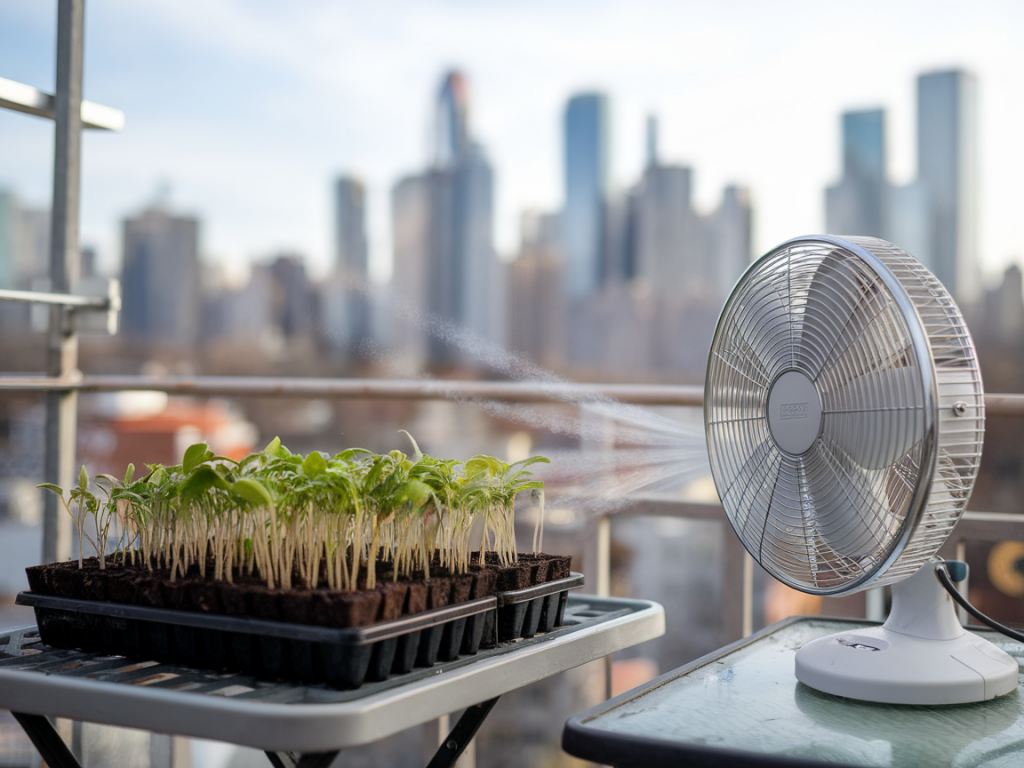
Windy balconies can feel like a battleground when you're trying to harden off tender seedlings. I learned the hard way during my first urban gardening season: a gust sent an entire tray of brassicas sliding across concrete and left me replanting seedlings that never recovered. Since then I've developed a gentle, effective routine that protects trays, builds hardiness and prevents those heart-sinking moments. Below I share exactly when to start, how to stage the exposure, and practical fixes to keep trays from blowing away.
When to start hardening off
I always begin hardening off seedlings once they have at least two true leaves and are well-rooted in their trays—not floppy or rootbound. For most vegetables and annuals that means roughly 4–6 weeks after sowing, but timing depends on species and local climate. Start the process about 7–14 days before your planned transplant date if you have a relatively mild spring. If your spring is changeable and often windy, give yourself closer to 14 days.
Check the weather: choose a stretch with mild daytime highs (12–20°C / 55–68°F) and cool nights but not frosty. Avoid starting on a day with strong winds forecasted—gentle breezes are ideal for hardening because they strengthen stems without desiccating the plants.
How I stage the exposure—a simple schedule
My favorite approach is gradual and predictable. I follow this basic rhythm and adjust for each species' sensitivity.
| Day range | Outdoors per day | Notes |
|---|---|---|
| Days 1–2 | 1–2 hours | Morning sun, light breeze, back inside before wind picks up |
| Days 3–5 | 3–4 hours | Include midday sun if not too hot; sheltered spot |
| Days 6–9 | 6–8 hours | Leave out if breezes are mild; bring in overnight |
| Days 10–14 | All day, nights inside or protected | Extend outdoors; reduce watering slightly |
That table is a template—I make seedlings spend an extra few days indoors if winds are consistently strong, and I shorten the schedule for hardy plants like kale or onions.
Protecting trays from wind: anchoring and windbreaks that actually work
My balcony is full sun but gusty, so I use layered protection: anchor the tray, reduce wind at the tray-level, and protect seedlings directly. Here are techniques that saved me many times.
Micro-protection: cloches, collars and clever covers
For extra-sensitive seedlings I use cloches or collars that provide shelter without overheating. My favorites:
Watering, feeding and other care during hardening
Wind increases evapotranspiration, so monitor moisture more closely. I follow these rules:
Troubleshooting common problems
If leaves look scorched after a sunny, windy day, the seedlings were exposed too quickly; move them back to more sheltered hours and reduce direct midday sun. If stems are bending or seedlings look brittle, those are signs of dehydration—soak the trays and step back the duration outdoors.
If trays still slide despite anchors, consider switching to heavier propagation modules, placing trays behind a low wall or investing in a balcony tray rail system. I once used a pair of L-shaped metal brackets screwed into the decking to hold trays in place—drastic, but effective for a long-term balcony setup.
Brand and product tips I use
I often use the following items because they balance cost and practicality:
Final practical checklist before leaving trays all day outdoors
Hardening off on a windy balcony is mainly about patience and layered protection. A few small investments—a rubber mat, some bungee cords, a bit of fleece—and a steady, gradual schedule will keep trays in place and seedlings thriving. If you want, tell me what you grow and how windy your balcony is, and I’ll suggest a tailored hardening schedule and setup plan.