Seasonal Planting

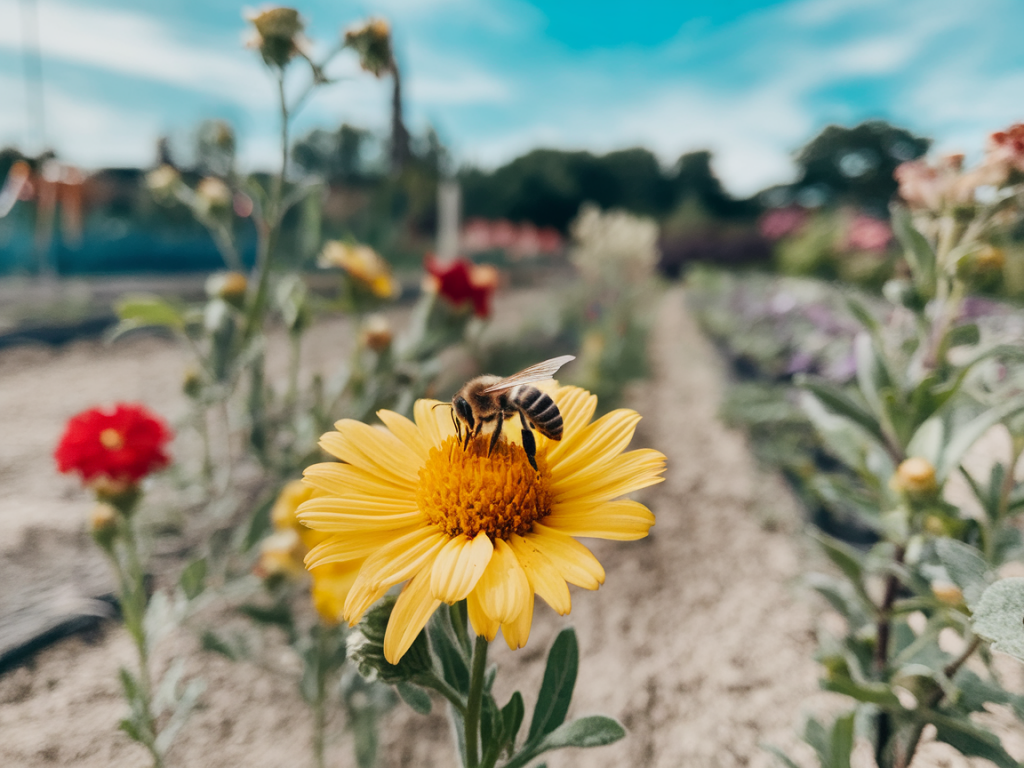
Which bee-friendly annuals bloom through summer heat and exactly when to sow them for nonstop pollinator visits

Which bee-friendly annuals bloom through summer heat and exactly when to sow them for nonstop pollinator visits

When summer arrives and temperatures climb, many gardeners worry that blooms — and the pollinators that rely on them — will fade. Over the years I’ve learned that a mix of hardy annuals, timed sowings and a little summer care will keep nectar flowing from early June to late September. Below I share the bee-friendly annuals that reliably bloom through heat, exactly when to sow them (direct-seed vs. transplant), and simple scheduling tips for nonstop pollinator visits.

Why choose annuals for summer pollinators?

I love perennials, but annuals are the secret weapon for continuous summer color and nectar. Annuals:

  • often start flowering quickly, usually within weeks;
  • come in a wide range of shapes, colors and bloom times that suit bees, hoverflies and butterflies;
  • are easy to succession-sow so you can stagger blooms over months;
  • perform well in containers, borders and pollinator patches.
  • Choosing heat-tolerant annuals and knowing when to sow them keeps your garden buzzing even in hot spells.

    My go-to bee-friendly annuals that handle summer heat

    These are the plants I reach for every year because bees love them and they keep flowering in hot weather. I’ve noted whether I recommend direct sowing (DS) or starting indoors/transplanting (T).

  • Cosmos bipinnatus (DS/T) — airy, daisy-like flowers that bees adore; tolerates heat and poor soil.
  • Zinnia elegans (DS/T) — large, nectar-rich flower heads; excellent for bees and long-lived in heat if deadheaded.
  • Calendula officinalis (T/DS) — bright nectar-rich blooms; tolerates heat if given afternoon shade in very hot climates.
  • Salvia farinacea / S. coccinea (T) — long spikes of nectar that hummingbirds and bees frequent; very heat tolerant.
  • Cosmidium (Scabiosa) (DS/T) — pincushion flowers, excellent for small bees and long-flowering.
  • Gomphrena globosa (DS/T) — round flower clusters that hold color in heat and are great on stems for pollinators.
  • Agastache (hyssop) (T) — aromatic spikes full of nectar; excellent summer performer.
  • Sunflowers (Helianthus annuus) (DS/T) — choose multi-flowering or dwarf varieties for longer bloom succession.
  • Bidens ferulifolia (T) — trailing habit, non-stop blooms that bees frequent in containers and borders.
  • Cleome hassleriana (DS/T) — spidery flowers bees and butterflies visit; tolerates heat once established.
  • Exact sowing timing for nonstop summer blooms

    Timing depends on your last frost date. Below I show a practical schedule based on a typical temperate climate with a last frost around mid-April. Adjust dates by shifting earlier or later according to your zone. For warm climates (USDA 8–10), direct sow earlier and start transplants later in season; for cool climates (USDA 3–6), allow extra time indoors for transplants.

    Plant Start Indoors Direct Sow Transplant Out Expected Bloom
    Cosmos 4–6 weeks before last frost (optional) After last frost After hardening off, 1–2 weeks after last frost 6–8 weeks after sowing — mid-late summer
    Zinnia 3–4 weeks before last frost After last frost to early summer 2 weeks after last frost 6–8 weeks after sowing
    Calendula 6–8 weeks before last frost Late winter/early spring (cool-season) Early spring Early summer and into heat with good moisture
    Gomphrena 4–6 weeks before last frost After last frost After hardening off 8–10 weeks after sowing
    Salvia / Agastache 6–8 weeks before last frost Not recommended After last frost Late spring into summer
    Sunflower Optional, 3–4 weeks before last frost After last frost or when soil warms When seedlings are sturdy Summer

    How I schedule succession sowing

    Succession sowing is the trick that keeps flowers available for pollinators without a bloom gap. I stagger plantings every 2–3 weeks:

  • Sow zinnias and cosmo seeds every 2–3 weeks for a continuous display.
  • Start salvia/agastache early indoors then transplant out once danger of frost passes, and add another round of zinnias later for the height of summer.
  • Use sunflowers in phases: plant a small bed in late spring and another in early summer for late-season nectar.
  • This way, as older plants start to fade from extreme heat, fresh youngsters are ready to take over.

    Heat-care tips that keep blooms and bees happy

    Some simple care ensures annuals continue producing nectar even during hot spells:

  • Mulch: a 2–3 cm layer of organic mulch keeps roots cool and moisture steady, which helps flowers keep producing nectar.
  • Watering: water deeply early morning; avoid shallow afternoon sprinkling. In extreme heat, increase frequency but water at the soil level to reduce fungal risk.
  • Shade relief: for very hot afternoons, provide temporary shade for young or sensitive transplants using shade cloth (30–40% filter).
  • Deadheading: remove spent flowers to encourage more blooms — zinnias and cosmos respond particularly well.
  • Fertilizer: a balanced slow-release or diluted liquid feed every 4–6 weeks keeps heavy bloomers productive; avoid high-nitrogen formulas that encourage leaf over flower growth.
  • Practical seed and plant sources

    For reliable seed varieties I use suppliers like Johnny’s Selected Seeds, Seed Savers Exchange and Thompson & Morgan. If you prefer plug plants, local nurseries often stock hardened young salvias, agastache and bidens — these give you a head start in early summer. For organic or pollinator-friendly labels, look for non-treated seed and plants not grown with systemic pesticides.

    Design ideas for pollinator-friendly summer color

    I arrange annuals in mixed drifts and edges to make it easy for pollinators to forage. A few layout ideas:

  • Plant clusters of the same species (and color) rather than single plants scattered. Bees learn where to find food faster.
  • Combine tall spires (salvia, agastache) with low fillers (bidens, gomphrena) to create a layered foraging zone.
  • Use containers near seating areas to attract pollinators close to where you enjoy the garden — a pot of zinnias and cosmos beside a bench will bring bees within view.
  • With a little planning and the right heat-tolerant annuals, your garden can be a pollinator magnet all summer long — and the simple satisfaction of watching constant visits is worth every seed packet.
    You should also check the following news:

    Which compact drip irrigation timers work best for balconies under 20 litres a week (tested recommendations)
    Plant Care

    Which compact drip irrigation timers work best for balconies under 20 litres a week (tested recommendations)

    I tested a handful of compact drip irrigation timers on my own balcony to find practical, reliable...

    May 06 Read more...