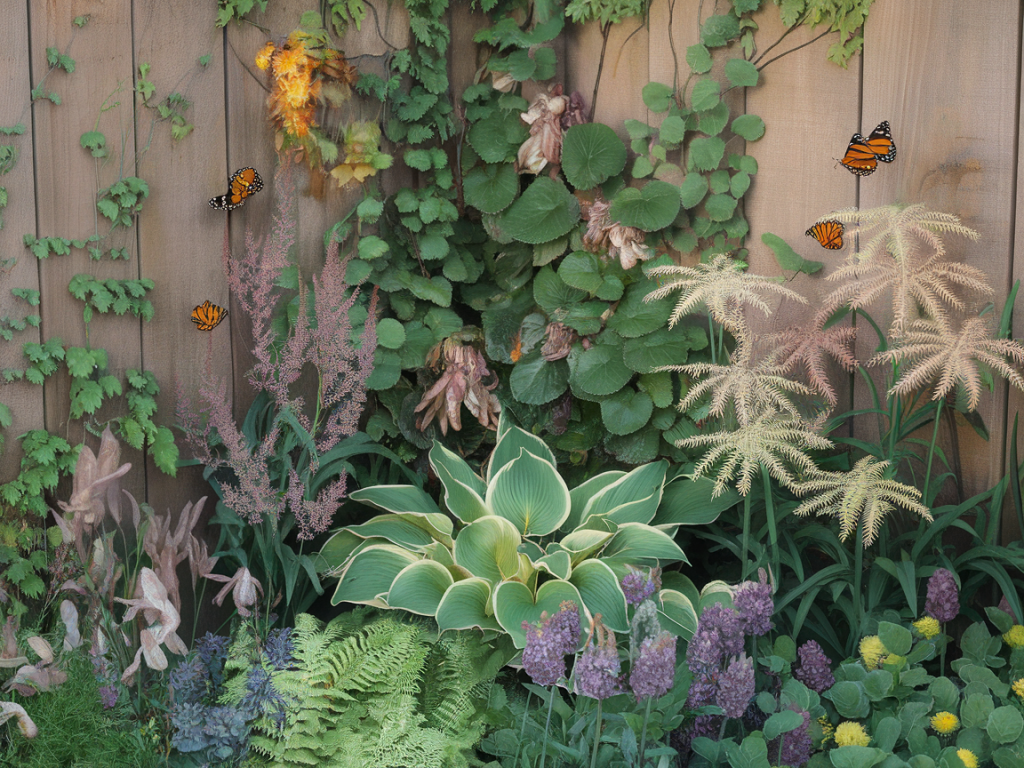
I turned a small, shady corner of my yard—an awkward 2x nook under an overhanging maple—into a low-maintenance pollinator haven using mostly native perennials. If you have a similar tight, shady corner that seems impossible to plant (too dark, roots competing, soil a little compacted), I’ll walk you through a practical, seasonal, and sustainable plan that focuses on easy-care natives, layered structure, and flowers that actually attract bees, hoverflies and shade-loving pollinators.
Why native perennials for a shady corner?
I choose natives first because they’re adapted to local soils and climates, need less watering and fertilizer once established, and support more native pollinators than many exotics. In shade, that resilience matters: plants that evolved for understory conditions tolerate lower light, sporadic water and root competition from trees. Perennials give you multi-year structure, reducing the need for replanting, and many native woodland species are delightfully low-maintenance.
Plan the space before you dig
Before buying plants, spend a weekend observing the corner. I note:
Sketch a simple plan on paper: mark the sunny/shady spots, a seating line if you want a bench, and circulation space. For a small shady corner I work in layers: low groundcover at the front, mid-height perennials in the middle, and a couple of small native shrubs or an upright perennial at the back to provide structure and late-season interest.
Soil prep and eco-friendly amendments
Under trees the soil often needs gentle help, not heavy digging. I follow this approach:
Plant choices that work well in shady corners (native-forward)
I always say: check local native plant lists or a nearby native nursery to match species to your hardiness zone and watershed. Below is a starter list that I’ve used across temperate regions; adapt according to your locale.
| Plant | Height | Light / Soil | Pollinators / Notes |
|---|---|---|---|
| Epimedium spp. (barrenwort) | 15–30 cm | Dappled shade / well-drained | Early nectar for bees; excellent evergreen-ish groundcover |
| Heuchera americana (coral bells, native varieties) | 25–40 cm | Part to full shade / average to moist | Attracts small bees; gorgeous foliage, low maintenance |
| Pulmonaria officinalis (lungwort) | 20–30 cm | Shade / moist | Early spring blooms—nectar for early pollinators |
| Phlox divaricata (woodland phlox) | 20–25 cm | Dappled shade / well-drained | Fragrant spring flowers, bees and butterflies |
| Astilbe spp. (choose native-listed cultivars) | 30–90 cm | Shade / moist soils | Good for syrphid flies and bees; adds airy texture |
| Collinsonia canadensis (stone root) or Monarda (bee balm) in part shade | 50–90 cm | Part shade / average to moist | Great late-summer nectar for bees and hummingbirds (Monarda) |
| Carex spp. (native sedges) | 20–50 cm | Shade / moist to dry | Evergreen texture; habitat for tiny pollinators and beneficial insects |
| Low shrubs: Vaccinium (lowbush blueberry) or Gaultheria | 30–80 cm | Part shade / acidic soils | Flowers for bees and fruit in summer (choose local species) |
Note: depending on your region, substitute truly local species (for example, Western US, Eastern US, UK or continental Europe each have different woodland natives). Your county extension or native plant society is a great resource for accurate lists.
Layout and planting plan for a small shady corner
Here’s a simple layout I use in a rectangular corner about the size of a small bench area. Scale it up or down:
I plant in odd-numbered groups (3, 5, 7) because it looks more natural. Drift the same species rather than planting isolated singletons—pollinators find dense patches more easily.
Watering and aftercare—low-maintenance tricks
For the first season, keep new plants watered until they set roots: this often means a weekly deep soak in dry spells. After that, established natives need minimal irrigation if mulched. My favorite maintenance steps:
Seasonal calendar (what I do through the year)
My seasonal checklist keeps the corner healthy and blooming with minimal fuss:
Quick troubleshooting
If things don’t go perfectly (they rarely do the first year), here are fast fixes I use:
Finally, ask your local native nursery or extension office for specific plant suggestions for your county—matching species to soil pH, rainfall and pollinator types makes the biggest difference. I love watching the first bees discover a new patch of woodland phlox or epimedium; that little moment makes the planning and planting completely worth it.