Seasonal Planting

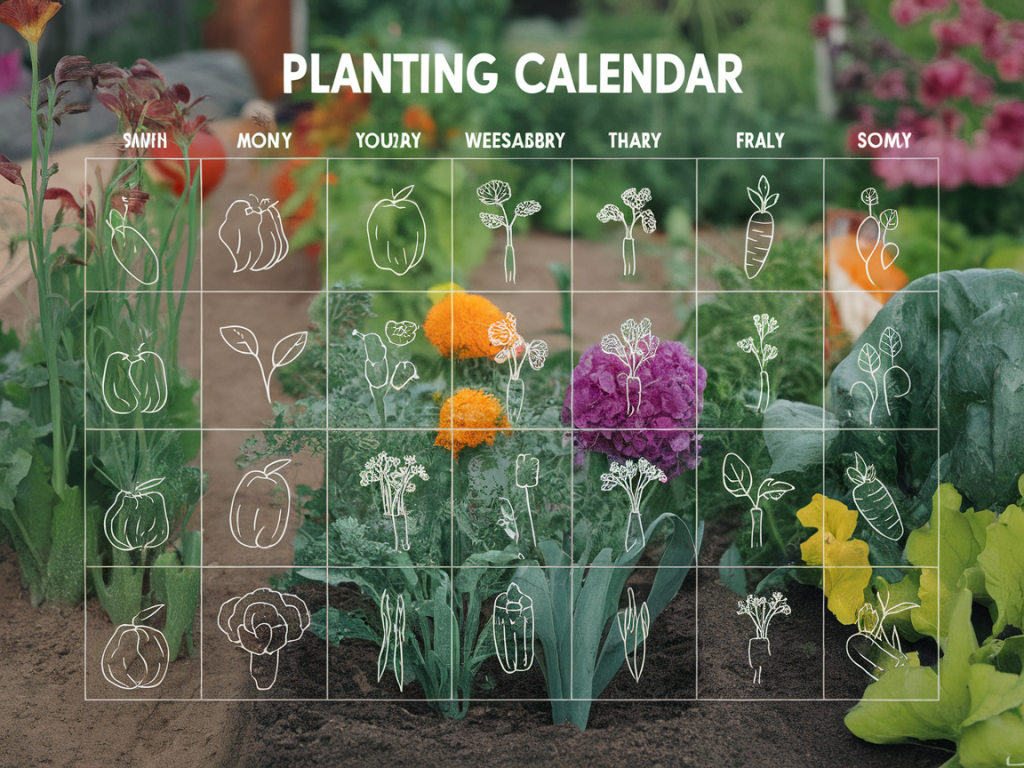
Planting calendar for beginners: what to sow now for steady summer harvests

Planting calendar for beginners: what to sow now for steady summer harvests

I love the promise of a summer harvest that keeps giving—tomatoes ripening one after another, beans climbing the trellis, salads that never run out. For beginners, the secret isn’t magic; it’s timing and simple routines. Here’s a practical planting calendar and the “what to sow now” guidance I use to build steady, reliable summer harvests without overwhelm.

How I think about a planting calendar

A planting calendar is really a rhythm: seed-starting, transplanting, direct sowing and succession planting spaced so you don’t get one big glut and then nothing. I break the season into three key windows that matter to beginners:

  • Early spring — indoor seed starting for tender crops and early cool-season plants.
  • Late spring — transplanting and direct-sowing once danger of frost is past.
  • Early summer — succession sowing and heat-loving crops for ongoing harvests.
  • Below I give you a month-by-month view and practical actions you can take this weekend. Adjust dates for your climate: move everything earlier in mild Mediterranean zones, later if you’re in a cold, late-spring region. Your local extension or a frost-date calculator is the best reference for the exact last frost date.

    Quick-start checklist (weekend actions)

  • Check your last frost date.
  • Prepare seed trays and fresh seed compost or a light potting mix (I like Jiffy seed starting mix).
  • Clean and sharpen tools; have labels and a permanent marker ready.
  • Set up a watering routine—gentle misting for seedlings, deeper watering for transplants.
  • What to sow now — month-by-month guide

    This example calendar assumes a temperate climate with last frost around mid-April. Shift everything back or forward depending on your local frost date.

    MonthWhat to start indoorsWhat to direct sowNotes
    MarchTomatoes, peppers, eggplant (6–8 weeks before transplant)Peas, spinach, radishes, lettuces (cool-season)Keep indoor seedlings in bright, cool light; harden off later
    AprilBrassicas if starting early (cabbage, broccoli)More lettuces, carrots, beets, spring onionsSuccession sow every 2–3 weeks for continuous salad greens
    MayLate tomato and basil starts for staggered harvestBeans, corn, summer squash, cucumbers once soil warmsEnsure soil temperature for beans and corn is above 10–12°C (50–55°F)
    JuneHeat-tolerant basil, late-season herbsSuccession beans, zucchini, second sowings of carrots in cooler spotsMulch to conserve moisture and reduce weeds

    Seed starting essentials

    I always start tomatoes, peppers and eggplants indoors because they need a longer season and consistent warmth. Here’s my simple method:

  • Use small pots or cells and a sterile seed compost. I often use a mix from Miracle-Gro or a local organic seed mix—clean and light is key.
  • Keep them on a sunny windowsill or under a 12–16 hour grow light. Seedlings will stretch if they don’t get enough light.
  • Thin to the strongest seedling per cell to avoid root crowding and disease.
  • Harden off for 7–10 days before transplanting: start by putting plants outdoors a few hours in a sheltered spot, increasing time and sun exposure gradually.
  • Direct sowing and succession planting

    Direct sowing is your ally for steady harvests. Crops like beans, carrots, radishes, peas and greens do best sown directly into the soil. To keep salads and vegetables coming:

  • Sow in small quantities every 2–3 weeks rather than all at once.
  • Use quick-growing crops like radishes and lettuce to fill gaps while slower crops establish.
  • Succession sow the same bed with different crops—early lettuce, then bush beans, then a fall cover crop.
  • Soil, fertilizer and watering tips

    Healthy soil gives you consistent yields with less fuss. Here’s my everyday approach:

  • Add compost to beds in early spring—1–2 inches worked into the topsoil.
  • Use a balanced organic fertilizer at transplanting—brands like Espoma or Neptune’s Harvest are reliable.
  • Mulch with straw or shredded bark after soil warms to keep roots cool and conserve moisture.
  • Water deeply and less frequently; seedlings need gentle, regular moisture, while established plants prefer a deep soak once or twice a week.
  • Pest, disease and weather troubleshooting

    No calendar is perfect—pests and weather will test you. Here are quick fixes I use:

  • Slugs on seedlings: lay beer traps or use iron phosphate pellets (brand example: Sluggo).
  • Aphids on young shoots: a strong spray of water or insecticidal soap usually does the trick.
  • Late frost threat: protect transplants with cloches, fleece or an upside-down bucket overnight.
  • Powdery mildew: increase air circulation, avoid overhead watering, and remove affected leaves.
  • Design tips for small spaces

    If you have a balcony or small plot, prioritize vertical and container-friendly crops for steady harvests:

  • Grow tomatoes in 20–30L containers with a support cage and feed every 2–3 weeks.
  • Use trellises for peas and climbers—this frees ground space for quick crops like radish and salad leaves.
  • Plant one or two large pots of mixed herbs (basil, parsley, cilantro) near the kitchen for easy snipping.
  • Weekend projects that pay off

    Here are simple projects that make the difference between a chaotic garden and a steady one:

  • Create a sowing schedule on a single sheet—date of sowing, transplant date, notes on germination.
  • Label beds with chalkboard stakes to avoid forgetting what you planted.
  • Build a basic cold frame from old windows or a polytunnel to extend your season for tomatoes and brassicas.
  • Planting for a steady summer harvest is really about small, repeatable habits: starting some crops early, direct-sowing others at regular intervals, feeding and mulching, and watching. Do a little each weekend and you’ll be surprised how quickly your garden becomes a reliable source of flowers and food.
    You should also check the following news:

    Step by step: build a recycled pallet vertical herb garden that lasts
    DIY Projects

    Step by step: build a recycled pallet vertical herb garden that lasts

    I love turning simple materials into useful garden features, and a recycled pallet vertical herb...

    Dec 02 Read more...