I remember the first summer I lost an entire squash patch to squash vine borer (SVB). One morning the vines looked strong, and by afternoon one half of the bed had wilted to a brown tangle. After ripping plants apart and finding a fat orange caterpillar deep inside the stem, I swore I’d never be surprised twice. Over the years I’ve experimented with collars, biologicals like Bt and spinosad, pheromone traps and a few DIY fixes. Below I share the practical, season-tested plan I use now to stop squash vine borer fast — identify damage quickly, block entry with collars, and put in place a targeted Bt/spinosad schedule that matches the moth flight.
How to recognize squash vine borer damage
Early detection is everything. SVB damage has a few telltale signs you can spot before an entire plant collapses:
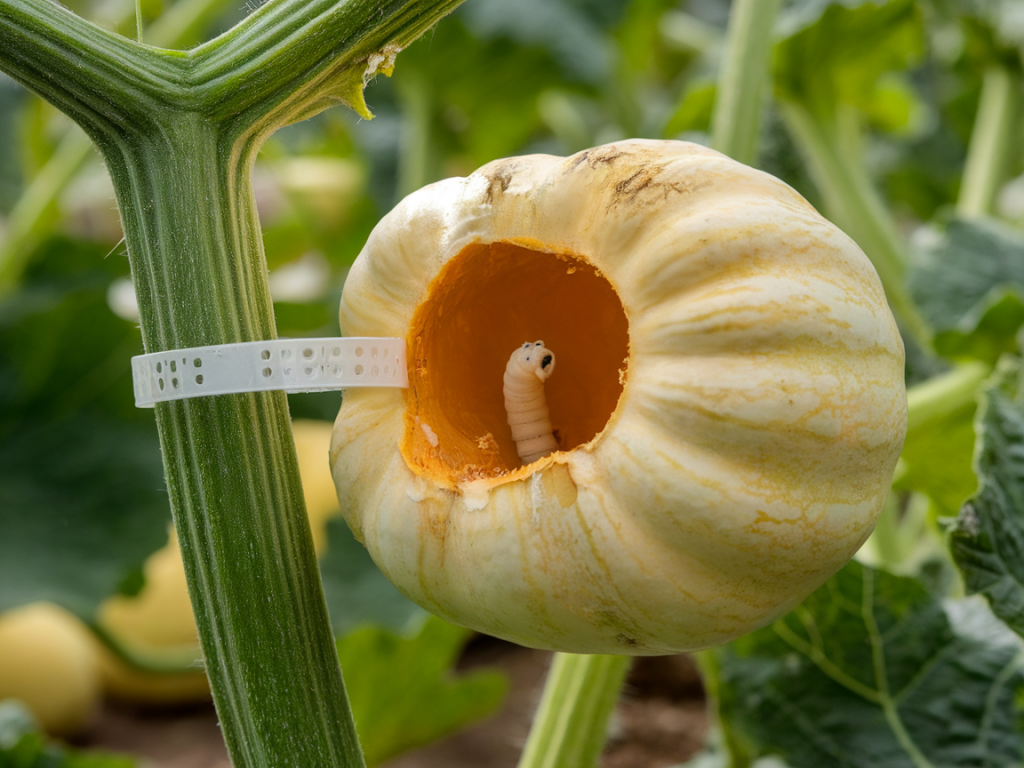
If you suspect SVB, peel back a small bit of the stem at the base with a knife and you’ll usually find a cream/orange caterpillar. Removing it early can save the vine.
Immediate steps when you find SVB
When I find a borer, I act quickly and follow these practical steps:
Collar barriers that actually work
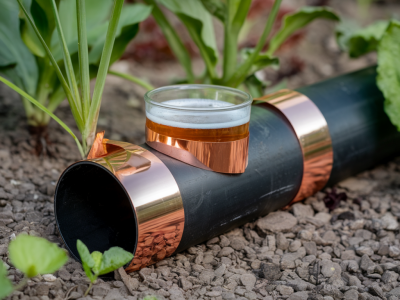
I’m a big fan of simple physical barriers — they’re low-cost and chemical-free. The idea is to stop a female moth from laying eggs on the stem at ground level and block newly-hatching larvae from boring in.
Important: Make sure the collar sits at soil level and leaves a little room so the stem isn’t constricted. Collars won’t stop moths entirely but they prevent the most common egg-laying spot right at the soil line.
Targeted Bt and spinosad schedule — timing is key
Bacillus thuringiensis (Bt) and spinosad are my go-to biological controls. They’re effective against young caterpillars when the larvae are still on the stem surface and feeding on eggshells or tender tissue — before they bore in. Once larvae are inside the stem, sprays won’t reach them.
Here’s the practical schedule I follow each season:
Tips: Mix Bt/spinosad per label directions and rotate products seasonally if you use them often. Spinosad is broader-acting and can impact some beneficials, so use it carefully and prefer Bt where possible.
Monitoring: pheromone traps and visual checks
Knowing when adults are flying lets you strike early. My monitoring routine is simple:
Pheromone traps won’t eliminate the problem by themselves but they’re invaluable for timing treatments.
Cultural and preventive practices I follow
These steps reduce population pressure and make chemical/biological controls more effective:
When to consider stronger measures
If SVB pressure is severe and biologicals aren’t enough, there are additional options to consider carefully:
Quick reference table: methods and when to use them
| Method | When to use | Pros | Cons |
| Collars (paper, PVC, bottle) | At planting and after removing infested vines | Cheap, effective at stem base | Needs installation on every plant |
| Bt (Btk) | When moths are detected; weekly applications while active | Safe for pollinators, organic | Must hit young larvae; limited once larvae bore |
| Spinosad | As above; for heavier infestations | Very effective on caterpillars | Can harm some beneficial insects |
| Pheromone traps | Pre-season monitoring and timing sprays | Good early warning | Does not control population alone |
| Row covers | Until flowering | Excludes adults physically | Must be removed for pollination |
There’s no single silver bullet for squash vine borer, but a combination of fast detection, physical collars and a timed Bt/spinosad program will stop most outbreaks quickly. I’ve learned that being proactive — monitoring, collaring and acting at first moth detection — keeps more of my plants alive and productive. If you want, tell me your zone and when you usually plant squash and I’ll help you tailor the monitoring and spray timing to your area.