I hate finding nibbled seedlings and slimy trails on my patio pots, and I know many of you feel the same. Over the years I’ve tested lots of methods to control slugs that are safe for dogs, cats and wildlife, and that don’t wreck the soil life I care about. In this post I’ll share the practical, pet-safe approach I use: how to install and maintain copper tape barriers, effective beer alternatives (baits that don’t attract pets), and how to use garden-friendly nematodes. I’ll also explain when each method works best so you can mix and match for your plot.
Why pet-safety changes how I garden for slugs
Many slug-control products (metaldehyde pellets, some baits) are toxic to pets and wildlife. I avoid those because a curious dog or hedgehog can easily sample them. Instead I prefer barrier methods, non-toxic baits that aren’t attractive to pets, and biological controls like nematodes that target slugs only. These methods take a bit more attention but are kinder to the whole garden ecosystem.
How copper tape works — and why it’s a reliable barrier
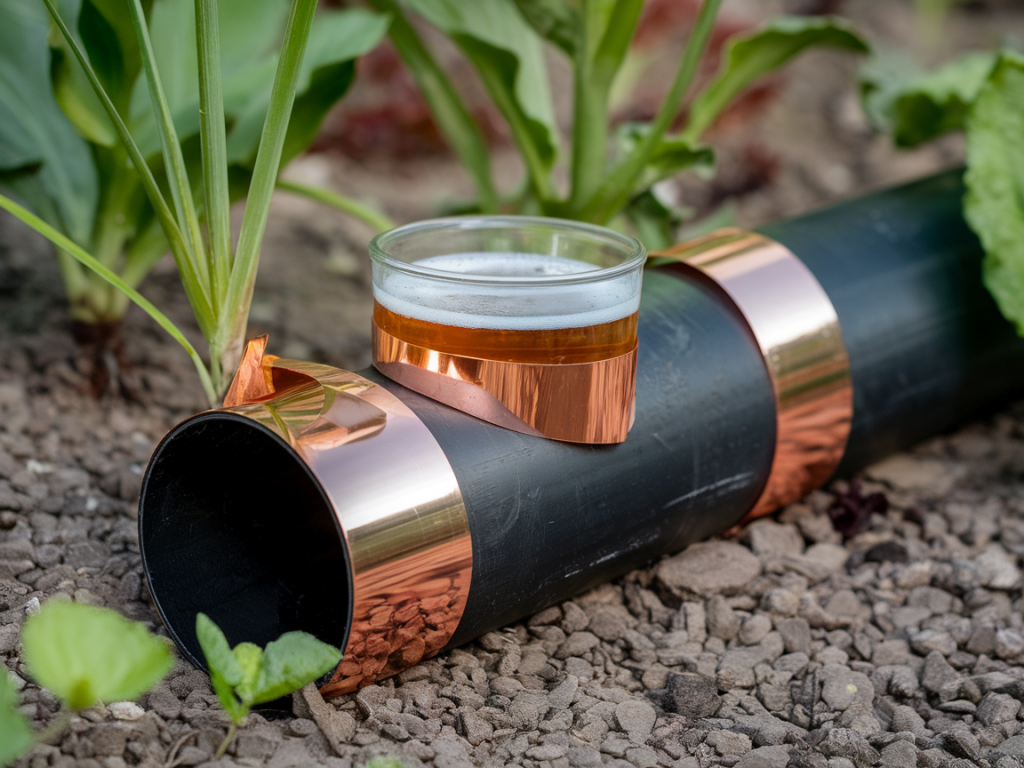
Copper tape creates a short-lived electrical reaction between slug slime and the metal, which most slugs avoid. It’s especially useful around pots, raised beds, cold frames, and the rims of planters. I use it where I can form a continuous band; slugs won’t consistently cross it, so it protects seedlings and containers very well.
Practical tips for installing copper tape:
Choose a sticky-backed copper tape (10–30 mm wide). Brands like Slug Gone or generic copper foil from garden centers work fine.Clean the planting pot rim or bed edge with soapy water and dry it before application so the tape adheres.Wrap the tape so the copper faces outward; overlap joints by a few millimetres to keep the band continuous.For wooden raised beds, attach the tape 5–8 cm above the soil surface to block climbing slugs.Replace or re-stick the tape each year or as soon as the adhesive fails—moisture and sun will degrade it.Things to watch for:
Tape won’t work on uneven soil edges where it can’t form a continuous barrier.It can look a bit flashy on decorative pots—consider painting over with acrylic paint if you mind the colour (test first to ensure it still works).Copper is a finite solution: when tape peels or corrodes, replace it. But even old tape can be recycled with metal collection.Pet-safe beer alternatives — why I stopped using beer traps and what I use now
Beer traps attract slugs, but they also attract curious pets and wildlife to the sweet scent. I prefer methods that either divert slugs away from plants or lure them into traps pets won’t reach.
Effective beer alternatives and pet-safe baits I use:
Yeast-water traps (inverted bottle with a narrow opening): Mix a teaspoon of active dry yeast in 250 ml water and a tablespoon of sugar. Pour into a shallow jar or a bottle with a 2–3 cm opening sunk so the rim sits level with the soil. Slugs crawl in but can’t easily escape. I place these away from areas my dog frequents and cover with a garden cloche with ventilation holes to keep curious paws out.Grapefruit or orange halves: Slugs like the sweet pulp. I place hollowed halves in the veg patch at night and remove them in the morning. This is only practical if you check frequently and remove bait before pets arrive.Coffee grounds: Fresh coffee grounds are mildly repellent to some slugs (and great for your compost). I scatter a thin ring around sensitive plants; it’s not a full barrier but helps reduce visits. Keep in mind pets may be attracted to fresh grounds for other reasons (scent), so use sparingly.Hand-picking and nighttime patrols: I still find this the most predictable method. With a torch after dusk, I lift leaves and pluck slugs into a bucket of soapy water or deposit them well away from the garden. It takes time but is pet-safe and immediate.Note about sweet baits: always place baits (beer, yeast traps, fruit halves) where pets can’t reach—under a cloche, inside a buried jar, or beneath paving slabs with a small access gap for slugs but not paws.
Using garden-friendly nematodes (biological control)
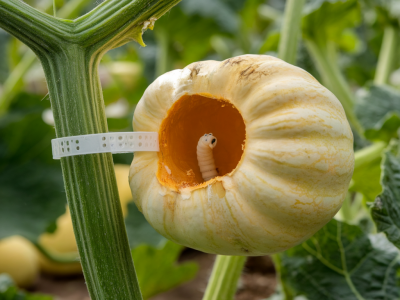
Nematodes are microscopic worms that parasitize slugs. The commonly used species for slug control is Phasmarhabditis hermaphrodita, sold commercially as products like Nemaslug (in some regions). They’re safe for pets, humans, plants and beneficial insects because they target slugs specifically.
How I apply nematodes in my garden:
Buy nematodes from a reputable supplier—check the label for Phasmarhabditis hermaphrodita or the local equivalent. They’re perishable, so keep them refrigerated until use.Apply on moist, cool evenings (best between 10–20°C). Don’t apply in bright sun or very hot/dry conditions because nematodes need moisture to be active.Mix the nematode solution with water according to the product instructions (usually a litre or more per square metre) and use a watering can to spread over the soil surface. Target areas with slug activity: under leaves, beside boardwalks, around pots.Keep soil moist for two weeks after application (light watering) to help nematodes move and find slugs.Repeat applications in spring and autumn if slug pressure is high; nematodes are most effective on juvenile slugs and under cool conditions.Important caveat: nematodes aren’t instantaneous. You may not see dramatic results for a couple of weeks. I combine them with copper barriers and traps for immediate protection while waiting for biological control to take effect.
Quick-reference comparison
| Method | Pet-safety | Effectiveness | Cost & upkeep |
| Copper tape | Very safe | High for containers and continuous bands | Medium upfront cost; moderate maintenance (replace annually) |
| Beer/fruit traps | Potential risk if accessible to pets | Moderate; attracts many slugs | Low cost; daily checks recommended |
| Yeast-water in closed traps | Safe if covered/placed out of reach | Good for localized trapping | Very low cost; requires regular replenishing |
| Nematodes (P. hermaphrodita) | Very safe | Good long-term control, best in cool moist conditions | Higher per-application cost; seasonal repeats |
| Hand-picking | Very safe | Immediate and reliable | Time-intensive; free |
Seasonal timing and integrated strategy
Slugs are most active in spring and autumn when it’s cool and wet. I follow this seasonal routine:
Early spring: set up copper tape on new pots and raised beds; start nightly checks as seedlings emerge.Mid spring: apply nematodes if soil temps are suitable (check product label); use yeast-water traps away from pet areas.Summer: hand-pick after rains; maintain copper bands; keep mulch light and dry near young transplants (deep, damp mulch can hide slugs).Autumn: repeat nematode application if slug pressure was high over summer; clear debris and tidy up, removing slug shelters like boards and coarse mulch.Extra tips from the garden
Raise seedlings on benches or shelves where possible—height is a simple barrier that pets can’t interfere with and slugs find harder to climb.Use drip irrigation rather than overhead watering to keep surfaces drier and less attractive to slugs.Encourage natural predators: birds, frogs and hedgehogs eat slugs. Provide shelter and water for them—but place any slug baits well away so wildlife won’t be harmed.If you have persistent heavy infestation in a particular corner, try physical modifications: gravel paths, coarse grit around stems, or plastic collars sunk around young plants.I like combining methods: copper for a reliable barrier, nematodes for longer-term suppression, and pet-safe traps or hand-picking for immediate relief. That way I protect young plants, keep pets safe, and preserve the soil life that makes my garden resilient. If you want, tell me about your slug hotspots and your pets’ habits and I’ll suggest a tailored plan for your space.