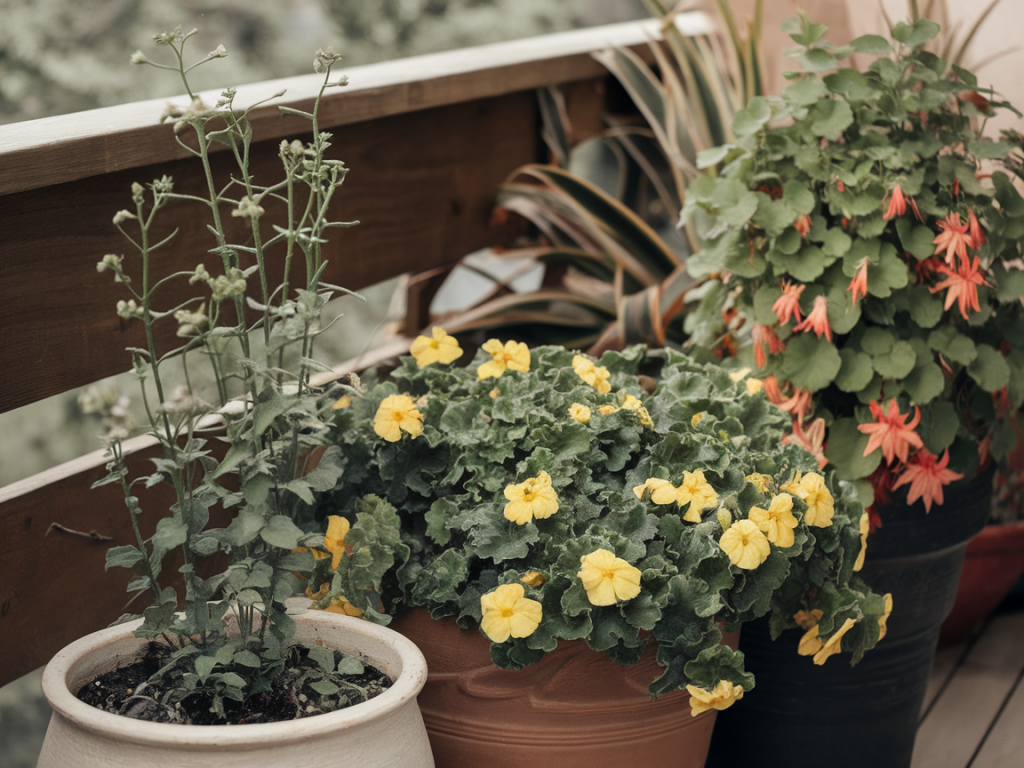
I’ve gardened in pots on balconies for years, and one of the best tricks I’ve discovered is how much you can harvest from a very small footprint if you plan a year-round rotation. With just three 30 cm (12") pots, thoughtful crop choices and a simple calendar, I regularly double — sometimes triple — the yield I expected from my balcony. Below I’ll walk you through my approach: why rotation matters in containers, how I schedule crops for each season, soil and feeding tips, and a ready-to-use planting calendar you can copy.
Why a rotation matters in pots
Rotation isn’t just for large vegetable beds. In containers, it helps with several problems gardeners face: soil nutrient depletion, pest and disease buildup, and inefficient use of space. Switching between leafy crops, fruiting crops and soil-replenishing plants lets each pot recover and keeps pests and diseases from getting comfortable.
With three identical pots I treat them as a shifting trio: at any time one pot is producing, one is finishing and preparing for the next crop, and one is being sown or planted. This rolling system keeps harvests coming while minimizing empty time — the secret to maximizing output from small spaces.
What to plant in three 30 cm pots
When I plan, I pick crops that fit the pot size and complement each other across seasons. Here’s a palette I use that’s reliable, productive and easy to manage:
Choose compact cultivars labeled “patio,” “bush,” or “dwarf.” For tomatoes I like a determinate cherry like ‘Tiny Tim’ or similar; for peppers, look for “compact” or “balcony” varieties. Seed companies such as Thompson & Morgan, Burpee or local heirloom suppliers often note container suitability.
Potting mix, feeding and pot management
Good soil is the most important investment. I use a mix of high-quality peat-free potting compost (eg. John Innes-style or a premium multipurpose mix) blended with 20–30% perlite or grit for drainage and 10% well-rotted compost for slow nutrients. In 30 cm pots I add a 2–3 cm layer of drainage grit at the bottom only if you tend to overwater.
My rolling, year-round rotation plan
Below is the rotation I use for three pots. The idea is simple: stagger plantings so you always have something edible and you maximize the number of crop cycles per year.
| Season | Pot A | Pot B | Pot C |
|---|---|---|---|
| Spring (Mar–May) | Leafy greens (lettuce/arugula), succession sow every 3 weeks | Early peas or bush beans (support with small trellis) | Overwintered garlic / spring onions (finish) |
| Early Summer (Jun) | Replace finished greens with basil and quick herbs | Peas/beans finishing — replace with dwarf tomato after clearing | Plant dwarf courgette or pepper (if garlic finished) |
| Mid–Late Summer (Jul–Aug) | Basil / salad herbs — continual harvest | Tomato producing (stake and feed) | Pepper or courgette producing; interplant with quick lettuce in shade |
| Autumn (Sep–Oct) | Remove summer herbs; sow spinach and hardy salad mixes | Finish tomato early—clear and sow quick radish or cover crop | Move pepper inside if mild or harvest, then plant winter chard |
| Winter (Nov–Feb) | Overwintering greens (perpetual spinach, chard) with fleece if needed | Plant garlic or bulbs in late autumn for spring harvest | Parsley and chives — slow growth but steady for cuts |
This calendar gives you continuous harvest windows. For example, succession sowing lettuce every 2–3 weeks in Pot A means that while one sowing is heading to seed another is coming up — continuous salad on a single pot.
Practical tips to double harvest
Troubleshooting common balcony problems
If plants are leggy: they need more light or less crowding; pinch back or transplant to a sunnier spot. If leaves yellow: check watering and feed; yellow can mean both overwatering and nutrient deficiency. If pests attack: for aphids, a stream of water followed by a spray of insecticidal soap keeps things under control. For repeated fungal issues, reduce watering at night and ensure good air circulation — avoid overcrowding.
One trick I often use: a weekly glance-through. Spend five minutes checking soil moisture, looking under leaves for pests, and pinching or harvesting small amounts. Tiny, regular maintenance is the most effective way I’ve found to keep pots productive without time-consuming work.
Starter shopping list
With a little planning and regular small actions, three 30 cm pots can give you a steady, year-round supply of fresh greens, herbs and summer fruits. Try my rotating pattern for a season and adjust varieties to your microclimate — you’ll be surprised how much a small balcony can produce when it’s scheduled and tended like a tiny, efficient garden.